Casters: Meaning, History, Types, Benefits, and Materials
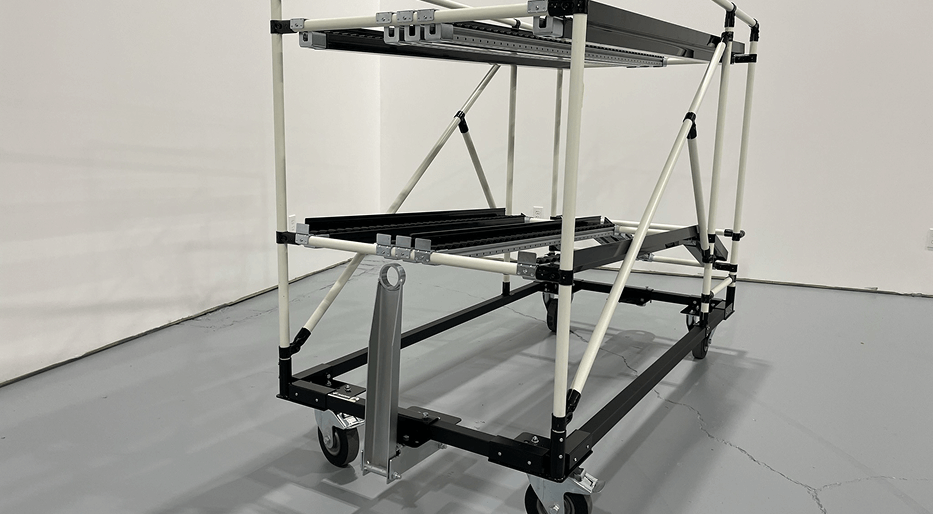
Casters are small but mighty components that have revolutionized the way we move heavy objects. From office chairs to industrial carts, they make it possible to transport loads with minimal effort. But there’s a lot more to them than just “wheels that roll.”
In this post, we’ll explore exactly what casters are, how they work, the different types available, and why Flexpipe’s caster wheels are the best choice for your projects.
The Definition and Purpose of Casters
A caster is a wheeled device mounted to the bottom of an object to make it mobile. Unlike simple wheels, casters can swivel and pivot, making it easier to maneuver equipment in tight spaces. They are essential in industries where efficiency and mobility are key.
Brief History of Caster Wheels
Casters have been around for centuries, with early designs dating back to the 18th century. Over time, they’ve evolved from wooden structures to highly engineered components made with advanced materials for durability and smooth performance.
How Do Casters Work?
Casters operate by using a wheel mounted within a frame, sometimes called a yoke. Depending on the type, they may rotate 360 degrees for maximum maneuverability or stay fixed for straight-line movement.
The Core Components of a Caster
- Wheel – The rolling element.
- Mounting Plate or Stem – Attaches the caster to the object.
- Fork or Yoke – The fork or yoke secures the wheel.
- Bearing – Reduces friction for smooth rotation.
How Casters Enable Smooth Movement
The key to a caster’s functionality lies in its ability to swivel while carrying weight. This allows heavy objects to turn effortlessly, reducing strain on workers and preventing damage to the flooring.
Types of Casters
-
Rigid Casters
Fixed in one position, allowing movement only in a straight line. Ideal for applications where steering is not required.
-
Swivel Casters
These rotate 360 degrees, offering maximum maneuverability—perfect for navigating tight spaces.
-
Locking Casters
Equipped with brakes to prevent movement when stationary, adding stability and safety.
-
Specialty Casters
Designed for unique purposes, such as shock absorption, heavy-duty loads, or heat resistance.
Key Benefits of Using Casters
-
Improved Mobility and Ergonomics
Casters reduce the physical strain of moving heavy items, promoting workplace safety.
-
Space Optimization
They make it easier to rearrange layouts quickly, improving operational flexibility.
-
Versatility Across Industries
From warehouses to hospitals, casters are indispensable in diverse environments.
Materials Used in Caster Wheels
-
Rubber Casters
Gentle on floors, ideal for light-duty applications.
-
Polyurethane Casters
Excellent for heavy loads while protecting floors from scratches.
-
Steel and Metal Casters
Built for extreme durability in rugged environments.
How to Choose the Right Caster Wheels
-
Load Capacity Considerations
Choose a caster that can handle at least 25% more than your maximum expected load.
-
Floor Surface Compatibility
Soft wheels for hard floors, hard wheels for soft floors—this prevents damage and improves rolling efficiency.
-
Environmental Factors
Consider temperature, exposure to chemicals, and moisture before selecting a material.
Flexpipe’s High-Quality Caster Wheels
Why Choose Flexpipe Casters Over Others?
Flexpipe’s caster wheels are engineered for reliability, smooth rolling, and long service life. Whether you’re building carts, workstations, or mobile racks, they deliver unmatched performance.
Features and Specifications of Flexpipe Caster Wheels
- Heavy-duty load capacities
- 360° swivel for easy maneuverability
- Optional locking brakes for added safety
- Durable polyurethane tread for long-lasting use
Applications of Flexpipe Caster Wheels
Perfect for:
- Lean manufacturing carts
- Modular assembly stations
- Mobile storage units
You can explore Flexpipe’s caster range here.
Maintenance Tips for Caster Wheels
-
Cleaning and Lubrication
Remove debris from wheels and apply lubrication to bearings regularly.
-
Regular Inspection for Wear and Tear
Check for cracks, flat spots, or worn bearings to maintain peak performance.
Conclusion
Casters may seem like a small component, but they play a crucial role in mobility, efficiency, and workplace safety. Whether you need to move heavy equipment in a warehouse or create a flexible workspace, Flexpipe’s caster wheels are built to handle the job with reliability and ease.
FAQs
- 1. What is the difference between a wheel and a caster?
A wheel only rolls in one direction, while a caster includes a mounting system that may swivel for multidirectional movement. - 2. Can casters be used outdoors?
Yes, but choose weather-resistant materials like polyurethane or stainless steel. - 3. How do you measure a caster wheel?
Measure the diameter of the wheel and the mounting plate or stem dimensions. - 4. Are Flexpipe casters compatible with all carts?
Flexpipe casters are designed for modular systems but can be adapted to many setups. - 5. How often should casters be replaced?
It depends on usage, but inspecting every six months is recommended. - 6. Do Flexpipe casters come with brakes?
Yes, many models include locking mechanisms for added safety.
Recent Articles