Lean Six Sigma: Guide to Six Sigma Certification
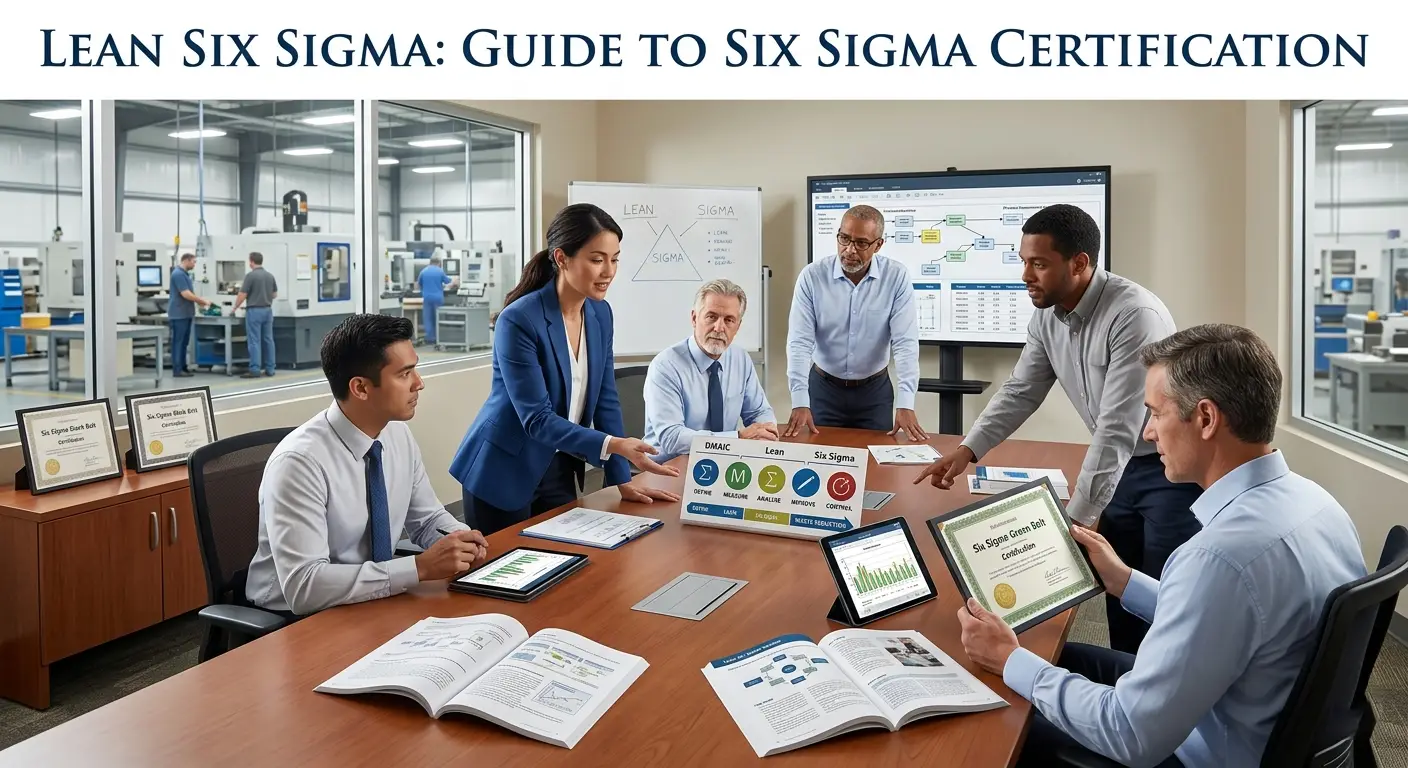
Modern businesses constantly look for ways to reduce waste, improve quality, and increase efficiency. That’s exactly where Lean Six Sigma comes into play. Whether you work in manufacturing, healthcare, logistics, IT, or retail, Lean Six Sigma helps organizations streamline operations and deliver better results.
This comprehensive guide explores everything beginners need to know about Lean Six Sigma certification, including methodologies, certification levels, career benefits, practical applications, and how innovative workplace solutions like Flexpipe’s Modular System support lean manufacturing initiatives naturally and effectively.
What is Lean Six Sigma?
Lean Six Sigma is a process improvement methodology that combines two powerful business strategies:
- Lean Manufacturing – Focuses on eliminating waste and improving workflow efficiency.
- Six Sigma – Focuses on reducing defects and process variation using data-driven analysis.
Together, these approaches help organizations improve productivity, reduce costs, and increase customer satisfaction.
The main goal of Lean Six Sigma is simple:
Deliver maximum value to customers while minimizing waste and defects.
Businesses across the globe use Lean Six Sigma to improve quality, optimize processes, and build sustainable operational systems.
FREE PLAN LIBRARY
400+ pre-engineered plans, free to download
Carts, workstations, flow racks and more — get the full build plan in PDF or SketchUp or add the parts straight to your cart.
The History and Evolution of Six Sigma
Six Sigma originated in the 1980s at Motorola. Engineers developed the methodology to reduce manufacturing defects and improve product consistency.
Later, companies like General Electric popularized Six Sigma worldwide. Under the leadership of Jack Welch, Six Sigma became a core business strategy.
Lean principles, on the other hand, emerged from the Toyota Production System in Japan. Combining Lean and Six Sigma created a highly effective framework for operational excellence.
Today, Lean Six Sigma is used in:
- Manufacturing
- Healthcare
- Banking
- Software development
- Supply chain management
- Construction
- Logistics
Understand the Core Principles of Lean Six Sigma
Lean Six Sigma relies on several foundational principles that drive operational success.
Focus on Customer Value
Every process should deliver value to the customer. Activities that do not add value are considered waste and should be removed.
Eliminate Waste
Lean identifies several forms of waste, including:
- Overproduction
- Waiting time
- Excess inventory
- Unnecessary motion
- Transportation waste
- Defects
- Overprocessing
Reducing these inefficiencies improves profitability and productivity.
Reduce Process Variation
Six Sigma uses statistical analysis to reduce inconsistencies in production or service delivery. Stable processes lead to better quality outcomes.
What is Six Sigma Certification?
Six Sigma certification validates your knowledge of Lean Six Sigma methodologies and tools. It demonstrates your ability to improve business processes effectively.
Certification programs teach professionals how to:
- Analyze workflows
- Solve operational problems
- Improve quality standards
- Reduce waste
- Increase process efficiency
Many employers prefer certified candidates because they bring measurable improvement skills into the workplace.
Different Levels of Six Sigma Certification
Lean Six Sigma certifications are structured like martial arts belts. Each level represents increasing expertise.
White Belt
The White Belt certification introduces basic Lean Six Sigma concepts. It’s ideal for beginners who want foundational knowledge.
Yellow Belt
Yellow Belt professionals assist improvement projects and understand process mapping and waste reduction techniques.
Green Belt
Green Belt certification focuses on data analysis, DMAIC methodology, and project management. Professionals often lead smaller process improvement initiatives.
Black Belt
Black Belts lead complex organizational projects. They possess advanced analytical and leadership skills.
Master Black Belt
This is the highest level of Six Sigma expertise. Master Black Belts mentor teams and develop enterprise-wide process strategies.
Lean vs Six Sigma: Key Differences
Although Lean and Six Sigma are often combined, they have different focuses.
| Lean | Six Sigma |
| Eliminates waste | Reduces defects |
| Improves workflow speed | Improves process consistency |
| Focuses on efficiency | Focuses on quality |
| Uses visual management | Uses statistical analysis |
The combination of both methodologies creates a balanced approach to operational excellence.
The DMAIC Methodology
DMAIC is the core framework used in Six Sigma projects.
Define
Identify the problem, project goals, and customer requirements.
Measure
Collect process data to understand current performance.
Analyze
Identify root causes of inefficiencies or defects.
Improve
Develop and implement solutions to optimize performance.
Control
Monitor improvements to ensure long-term sustainability.
DMAIC provides a structured roadmap for continuous improvement.
Benefits of Lean Six Sigma Certification
There are many advantages to becoming Lean Six Sigma certified.
Career Advancement
Certified professionals are often considered valuable assets because they improve operational performance.
Higher Salary Potential
Many companies offer competitive salaries for Six Sigma-certified employees.
Improved Problem-Solving Skills
Certification teaches analytical thinking and structured decision-making.
Better Business Performance
Organizations benefit from reduced operational costs, improved quality, and higher customer satisfaction.
Leadership Opportunities
Six Sigma professionals frequently move into leadership and project management roles.
Industries That Use Lean Six Sigma
Lean Six Sigma is highly versatile and applicable across multiple sectors.
Manufacturing
Manufacturers use Lean Six Sigma to reduce downtime, improve assembly lines, and minimize defects.
Healthcare
Hospitals use process improvement to reduce patient wait times and improve care quality.
Logistics
Supply chain companies optimize inventory flow and transportation efficiency.
Technology
Software firms improve development cycles and reduce system errors.
Finance
Banks streamline operations and reduce transaction processing errors.
How Lean Six Sigma Improves Manufacturing Efficiency
Manufacturing remains one of the biggest adopters of Lean Six Sigma principles.
Workflow Optimization
Lean systems improve production flow by minimizing unnecessary movement and delays.
Inventory Reduction
Excess inventory ties up capital and creates inefficiencies. Lean practices support just-in-time production strategies.
Safety Improvements
Well-organized workspaces reduce workplace hazards and improve employee productivity.
The Role of Modular Systems in Lean Manufacturing
One of the most overlooked components of Lean implementation is workspace design.
Traditional fixed workstations often limit flexibility and slow down continuous improvement efforts. That’s why many modern manufacturers are moving toward modular systems.
Modular systems support Lean principles by allowing companies to:
- Reconfigure workstations quickly
- Improve workflow layouts
- Reduce wasted movement
- Adapt production lines efficiently
- Support continuous improvement initiatives
Flexible infrastructure is essential for companies pursuing Lean Six Sigma transformation.
Why Businesses Choose Flexpipe Modular Solutions
Many manufacturers use Flexpipe modular material handling systems to support Lean manufacturing environments.
Unlike traditional steel structures, Flexpipe systems are lightweight, modular, and highly adaptable.
Faster Workstation Setup
Businesses can build ergonomic workstations, carts, flow racks, and assembly stations much faster compared to welded alternatives.
Continuous Improvement Support
Lean Six Sigma encourages ongoing process refinement. Flexpipe’s modular design allows teams to modify layouts without major downtime or expensive reconstruction.
Flexible and Scalable Operations
As production needs change, modular systems can evolve alongside operations. This flexibility aligns perfectly with Lean manufacturing goals.
Companies implementing Lean initiatives often discover that adaptable workspace systems improve efficiency while reducing operational waste.
Lean Six Sigma Tools Every Beginner Should Know
Several tools are commonly used in Lean Six Sigma projects.
| Tool | Purpose |
| Fishbone Diagram | Root cause analysis |
| Pareto Chart | Identify major problems |
| Value Stream Mapping | Visualize workflows |
| 5S Methodology | Workplace organization |
| Control Charts | Monitor process stability |
| Kaizen | Continuous improvement |
| SIPOC Diagram | Process overview |
Mastering these tools helps professionals solve complex operational challenges.
Common Challenges in Lean Six Sigma Implementation
Despite its benefits, Lean Six Sigma implementation can face obstacles.
Resistance to Change
Employees may resist new workflows or operational changes.
Lack of Leadership Support
Without management commitment, projects often fail.
Poor Communication
Teams need clear communication throughout improvement initiatives.
Insufficient Training
Organizations should invest in proper certification and employee education.
Addressing these challenges early increases project success rates.
How to Prepare for Six Sigma Certification
Beginners can prepare effectively by following a structured plan.
Study Core Concepts
Learn DMAIC, Lean principles, and process improvement terminology.
Take Online Courses
Many platforms provide affordable Six Sigma training programs.
Practice Real-World Applications
Hands-on experience strengthens understanding.
Use Practice Exams
Mock tests improve confidence before certification exams.
Join Professional Communities
Networking with certified professionals helps expand knowledge and career opportunities.
Career Opportunities After Certification
Lean Six Sigma certification opens doors to multiple career paths.
Popular Roles Include:
- Process Improvement Specialist
- Quality Manager
- Operations Analyst
- Manufacturing Engineer
- Supply Chain Manager
- Business Process Consultant
- Continuous Improvement Manager
Certified professionals are highly valued because they contribute directly to operational efficiency and profitability.
Conclusion
Lean Six Sigma remains one of the most effective methodologies for improving operational efficiency and reducing waste. From manufacturing floors to healthcare facilities, organizations use Lean Six Sigma principles to streamline workflows, improve quality, and increase profitability.
For beginners, Six Sigma certification provides valuable skills that can transform career opportunities and professional growth. Understanding DMAIC, process analysis, and Lean methodologies creates a strong foundation for continuous improvement.
Additionally, modern workspace solutions such as Flexpipe’s modular systems naturally complement Lean Six Sigma initiatives by improving flexibility, efficiency, and adaptability in manufacturing environments.
As businesses continue prioritizing operational excellence, Lean Six Sigma professionals will remain in high demand across industries worldwide.
FAQs
What is Lean Six Sigma used for?
Lean Six Sigma is used to improve efficiency, reduce waste, eliminate defects, and optimize business processes.
Is Six Sigma certification worth it?
Yes. Certification can improve career opportunities, salary potential, and leadership prospects.
How long does it take to get certified?
The timeline varies by certification level. White Belt training may take a few hours, while Black Belt certification can take several months.
Do you need statistics knowledge for Six Sigma?
Basic statistics knowledge helps, especially at higher certification levels, but beginner certifications are accessible to most professionals.
Which industries benefit most from Lean Six Sigma?
Manufacturing, healthcare, logistics, finance, and technology industries commonly use Lean Six Sigma methodologies.
How do modular systems support Lean manufacturing?
Modular systems improve flexibility, reduce wasted motion, and allow rapid workstation adjustments that support continuous improvement strategies.
Recent Articles