What is Kanban: The Ultimate Guide to Boosting Productivity with a Proven System
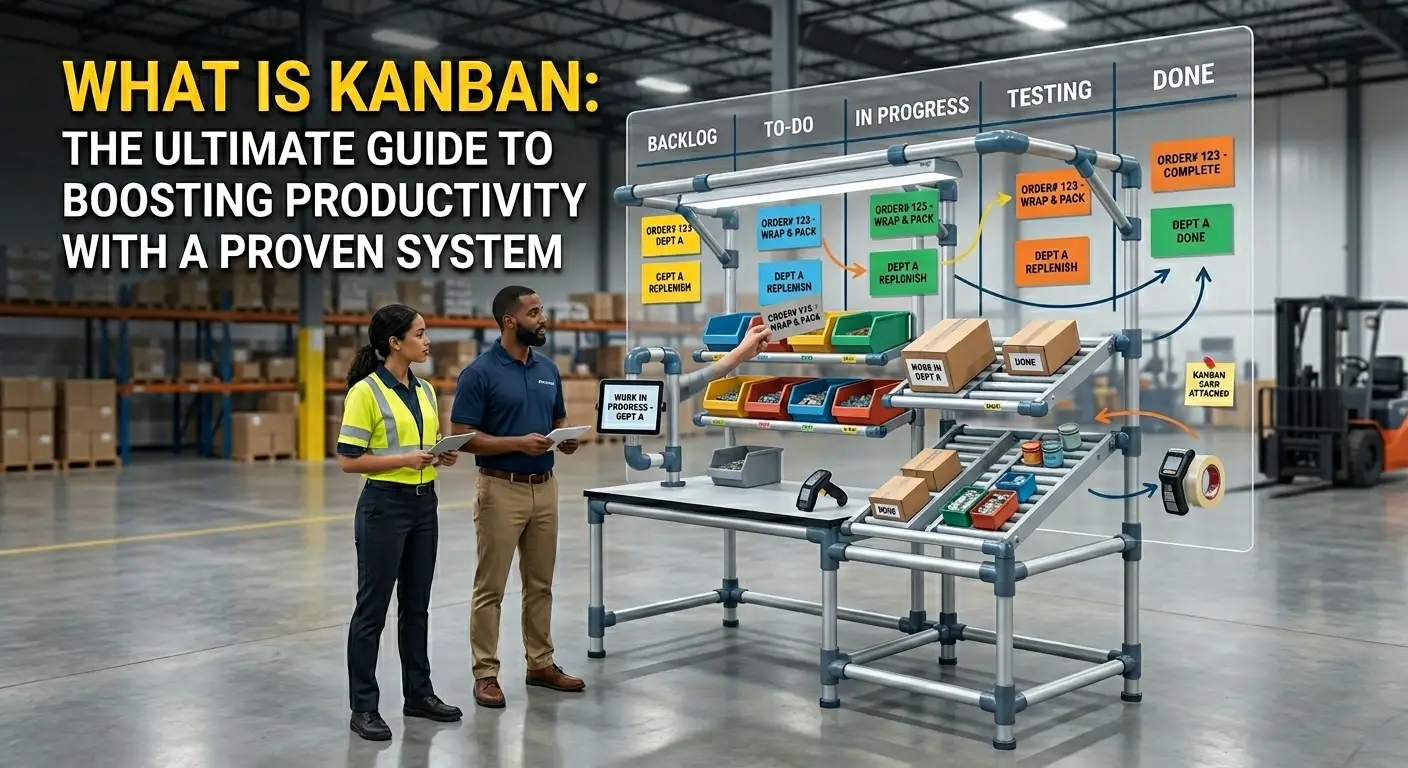
If you’ve ever wondered what Kanban is, you’re not alone. Kanban is a powerful workflow management system designed to help individuals and teams visualize their work, maximize efficiency, and continuously improve processes. At its core, Kanban is about simplicity, seeing what needs to be done, what’s being worked on, and what’s completed.
Kanban uses visual boards to represent tasks. These boards are divided into columns such as “To Do,” “In Progress,” and “Done.” Each task is represented by a card that moves across the board as work progresses. This simple visual approach makes it easier to identify bottlenecks and improve productivity.
One of the key ideas behind Kanban is limiting work-in-progress (WIP). Instead of multitasking excessively, teams focus on completing tasks before starting new ones. This improves quality and reduces stress.
Kanban isn’t just for software teams; it’s used in manufacturing, healthcare, logistics, and even personal productivity systems. Its flexibility makes it suitable for almost any industry.
The History of Kanban
Origins in Lean Manufacturing
Kanban originated in Japan in the late 1940s as part of the Toyota Production System. The term “Kanban” means “visual signal” or “card” in Japanese. Toyota used Kanban cards to signal when more materials were needed in production.
This system reduced waste, improved efficiency, and ensured that production matched demand. Instead of overproducing, companies only created what was needed, when it was needed.
Evolution into Modern Workflows
Over time, Kanban evolved beyond manufacturing. Today, it’s widely used in Agile project management, software development, and business operations. Digital Kanban tools now allow remote teams to collaborate seamlessly.
Core Principles of Kanban
Visualizing Work
Visualization is the backbone of Kanban. By mapping out tasks, teams gain clarity and can easily track progress.
Limiting Work in Progress
Limiting WIP ensures that teams focus on completing tasks rather than starting too many at once. This reduces inefficiencies and improves output quality.
Managing Flow
Kanban emphasizes smooth workflow. Teams monitor how tasks move through the system and make adjustments to eliminate delays.
Continuous Improvement (Kaizen)
Kanban promotes ongoing improvement. Teams regularly review performance and implement changes to optimize processes.
Key Components of a Kanban System
Kanban Boards
A Kanban board is the visual representation of tasks. It can be physical (whiteboard with sticky notes) or digital.
Kanban Cards
Each card represents a task and contains details such as description, priority, and deadlines.
Columns
Columns represent different stages of work.
Common columns include:
- To Do
- In Progress
- Review
- Done
Work-in-Progress Limits
WIP limits prevent overload and ensure efficient task completion.
Benefits of Using Kanban
Kanban offers several advantages that make it a popular choice across industries:
- Improved Productivity: Teams focus on completing tasks efficiently.
- Better Transparency: Everyone can see project status at a glance.
- Reduced Bottlenecks: Problems are identified quickly.
- Enhanced Collaboration: Teams communicate more effectively.
- Flexibility: Easily adapt to changing priorities.
Kanban vs Scrum
While both Kanban and Scrum are Agile methodologies, they differ in approach:
| Feature | Kanban | Scrum |
| Workflow | Continuous | Iterative (sprints) |
| Flexibility | High | Moderate |
| Roles | No fixed roles | Defined roles (Scrum Master, etc.) |
| Changes | Anytime | After sprint |
Kanban is ideal for teams needing flexibility, while Scrum suits structured project environments.
Implementing Kanban in Your Workflow
Step-by-Step Guide
- Visualize your workflow
- Create a Kanban board
- Define task stages
- Set WIP limits
- Monitor and improve
Tools and Software
Popular tools include:
- Trello
- Jira
- Asana
You can also use physical boards for simpler workflows.
What is Kanban in Manufacturing
In manufacturing, Kanban plays a critical role in lean production. It helps control inventory, reduce waste, and improve efficiency.
Kanban ensures that materials are replenished only when needed, preventing overstocking and reducing costs.
Enhance Kanban with Flexpipe Modular System
Modern businesses often need more than just visual boards; they require physical systems that support efficient workflows. This is where Flexpipe Modular system comes into play.
Flexpipe provides modular solutions for material handling, storage, and workspace organization. When combined with Kanban principles, it creates a powerful productivity ecosystem.
Real-World Applications
- Organized workstations for faster task execution
- Visual storage systems aligned with Kanban boards
- Efficient material flow in warehouses
Why Modular Solutions Matter
Flexpipe modular system allows businesses to customize their workspace according to their workflow. This flexibility supports Kanban’s core principle of continuous improvement.
For example, a warehouse using Kanban can integrate Flexpipe racks to track inventory levels visually. This reduces delays and improves operational efficiency.
Common Challenges in Kanban
Despite its simplicity, Kanban can face challenges:
- Overloading tasks
- Ignoring WIP limits
- Lack of proper tracking
How to Overcome These Issues
- Regularly review workflows
- Maintain discipline in WIP limits
- Use metrics to track performance
Advanced Kanban Techniques
Swimlanes
Swimlanes divide tasks into categories, making boards more organized.
Automation
Automation tools can move tasks, send alerts, and improve efficiency.
Metrics and KPIs
Key metrics include:
- Lead time
- Cycle time
- Throughput
These help teams measure performance and improve processes.
Conclusion
Understanding what Kanban is opens the door to a more efficient and organized way of working. Whether you’re managing a team, running a business, or improving personal productivity, Kanban offers a simple yet powerful framework.
When combined with physical solutions like Flexpipe’s Modular system, Kanban becomes even more impactful. Together, they create a seamless workflow that bridges the gap between planning and execution.
As industries continue to evolve, Kanban remains a timeless method for achieving efficiency, clarity, and continuous improvement.
FAQs
- What is Kanban in simple terms?
Kanban is a visual system for managing tasks and workflows efficiently.
- Where is Kanban used?
It’s used in software development, manufacturing, healthcare, and more.
- Is Kanban better than Scrum?
It depends on your needs. Kanban offers flexibility, while Scrum provides structure.
- Can Kanban be used individually?
Yes, individuals can use Kanban for personal productivity.
- What tools are used for Kanban?
Tools like Trello, Jira, and physical boards are commonly used.
- How does Flexpipe improve Kanban systems?
Flexpipe enhances physical workflow organization, making Kanban more effective in real-world environments.
Recent Articles