What Are Material Handling Solutions? A Powerful Guide to Smarter, Faster, and Safer Operations
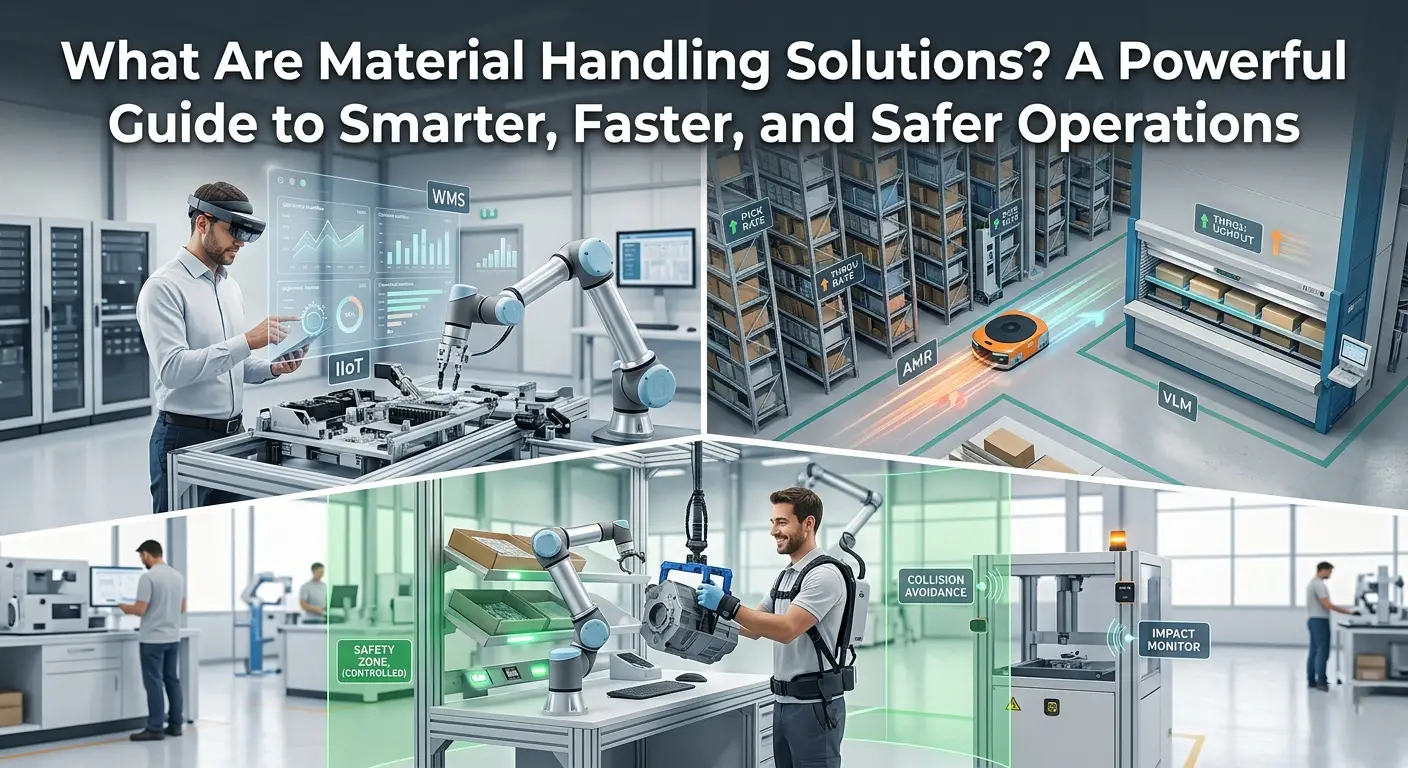
Material handling solutions refer to the systems, equipment, and processes used to move, store, control, and protect materials throughout manufacturing, warehousing, distribution, and logistics operations. Understanding Material Handling Solutions is essential for any business aiming to improve efficiency, reduce waste, and create safer workplaces.
From simple carts and racks to advanced automated conveyors and modular workstations, material handling solutions play a critical role in how smoothly operations run. In today’s fast-changing industrial environment, companies are moving away from rigid, fixed systems and embracing flexible, modular material handling solutions, with Flexpipe emerging as a leading innovator in this space.
Understanding Material Handling Solutions
Definition and Core Concept
At its core, material handling solutions involve the systematic handling of materials at every stage of production or distribution. This includes receiving raw materials, moving work-in-progress items, storing finished goods, and shipping them efficiently.
The goal is simple:
Move materials safely
Minimize manual effort
Reduce operational costs
Improve workflow efficiency
Why Material Handling Matters in Modern Industries
Efficient material handling directly impacts productivity, employee safety, and profitability. Poor material handling can lead to delays, injuries, wasted space, and higher costs. That’s why companies are investing in smarter solutions that adapt as their needs evolve.
Types of Material Handling Solutions
Manual Material Handling Systems
These include carts, shelves, racks, and hand tools. While cost-effective initially, they often rely heavily on human labor and may limit scalability.
Automated Material Handling Systems
Automated solutions include conveyors, robotic arms, and automated storage systems. They are powerful but often expensive, complex, and difficult to modify once installed.
Semi-Automated and Modular Systems
This is where modular material handling solutions, like Flexpipe, shine. They bridge the gap by offering flexibility, scalability, and affordability, without locking businesses into rigid layouts.
Key Components of Material Handling Solutions
Storage and Racking Systems
Proper storage ensures materials are organized, accessible, and safe. Modular racking systems allow easy adjustments as inventory changes.
Conveyors and Flow Systems
Flow systems help move materials efficiently while reducing manual handling. Gravity flow racks are a popular lean manufacturing option.
Workstations and Carts
Ergonomic workstations and mobile carts improve productivity and reduce worker fatigue, especially when they’re customizable.
Benefits of Effective Material Handling Solutions
Improved Productivity and Efficiency
Optimized material flow reduces downtime and speeds up processes, helping teams accomplish more in less time.
Enhanced Workplace Safety
Well-designed systems reduce lifting, bending, and repetitive strain, lowering the risk of injuries.
Cost Reduction and Space Optimization
Smart layouts maximize available space and minimize unnecessary movement, saving both time and money.
Challenges with Traditional Material Handling Systems
Lack of Flexibility
Fixed steel racks and welded structures are difficult to modify when processes change.
High Maintenance Costs
Traditional systems often require professional labor and downtime for changes or repairs.
What is a Modular Material Handling System?
A modular material handling system is built from standardized components that can be easily assembled, adjusted, or reconfigured without welding or heavy tools.
How Modular Systems Work
Using pipes, joints, and accessories, modular systems allow companies to build custom solutions such as:
- Flow racks
- Workstations
- Carts
- Shelving systems
Why Modular Systems Are the Future
Modern businesses need agility. Modular systems support continuous improvement, lean manufacturing, and rapid layout changes.
Why Flexpipe’s Modular System Stands Out
Overview of Flexpipe
Flexpipe is a global leader in modular material handling solutions, offering steel pipe and joint systems designed for flexibility, durability, and speed of deployment.
Key Features of Flexpipe’s Modular System
Lightweight and Durable Steel Pipes
Flexpipe uses high-strength steel pipes that are lightweight yet extremely durable, perfect for industrial environments.
Tool-Free and Reconfigurable Design
No welding. No cutting. Structures can be modified in minutes, not days.
Lean Manufacturing Compatibility
Flexpipe systems support lean principles such as:
- FIFO (First-In, First-Out)
- Continuous improvement (Kaizen)
- Ergonomic design
Conclusion
Understanding Material Handling Solutions is the first step toward building a more efficient, safe, and adaptable operation. As industries evolve, flexibility is no longer optional, it’s essential.
Flexpipe’s modular system delivers a future-ready material handling solution that grows with your business, supports lean manufacturing, and reduces long-term costs. For companies seeking smarter material flow without the limitations of traditional systems, Flexpipe is a clear choice.
FAQs
- What are Material Handling Solutions used for?
Material handling solutions are used to move, store, and manage materials efficiently within warehouses, factories, and distribution centers.
- Why are modular material handling solutions better?
They offer flexibility, lower costs, faster installation, and easy reconfiguration compared to traditional systems.
- Is Flexpipe suitable for small businesses?
Yes. Flexpipe’s modular system is scalable and cost-effective for businesses of all sizes.
- Can Flexpipe systems support heavy loads?
Absolutely. Flexpipe steel pipes are designed for industrial-grade load capacities.
- How long does it take to install a Flexpipe system?
Most systems can be assembled or modified in hours instead of days.
- Are Flexpipe solutions customizable?
Yes. Flexpipe systems are fully customizable to fit specific workflows and space constraints.
Recent Articles