Modular vs. Fixed Infrastructure: A Comprehensive Comparison
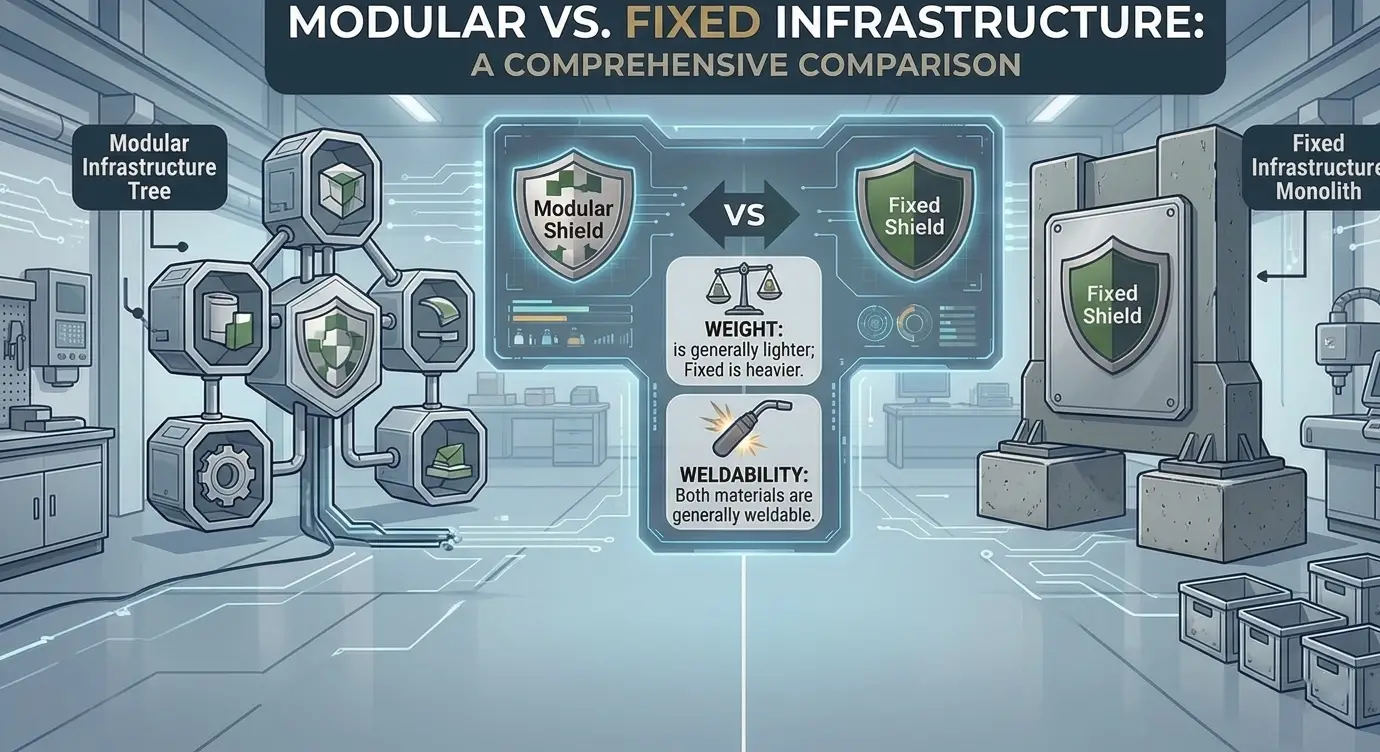
Infrastructure plays a quiet but critical role in how factories, warehouses, and distribution centers perform. Workstations, material handling systems, flow racks, carts, and assembly lines all depend on structural frameworks that support daily operations. The debate around Modular vs. Fixed Infrastructure has intensified as companies face faster product cycles, labor shortages, and constant layout changes.
For decades, fixed solutions such as welded steel frames or permanently anchored conveyor systems dominated industrial spaces. Today, however, modular systems are rapidly gaining ground because they align better with modern operational demands. Understanding how these two approaches differ is the first step toward making a smarter, future-ready investment.
What is Fixed Infrastructure?
Fixed infrastructure refers to permanently installed structures that are difficult or costly to modify once in place. Examples include welded steel workstations, bolted racking systems, and hard-mounted conveyors.
Key characteristics include:
- Designed for a single, long-term layout
- Requires specialized labor for installation and modification
- Changes often involve cutting, welding, or complete replacement
- High upfront rigidity with limited adaptability
While fixed infrastructure can offer strength and stability, it often becomes a liability when production requirements shift.
What is Modular Infrastructure?
Modular infrastructure is built from standardized components that can be assembled, disassembled, and reconfigured with ease. These systems are designed to evolve alongside operations rather than resist change.
Typical features include:
- Reusable components and connectors
- Tool-free or low-tool assembly
- Easy expansion or downsizing
- Rapid reconfiguration without downtime
Modular systems, such as those offered by Flexpipe, prioritize flexibility without sacrificing durability.
Key Differences Between Modular and Fixed Infrastructure
Flexibility and Adaptability
Fixed infrastructure locks facilities into a single layout. Any process change, new product lines, volume increases, or workflow optimization, can trigger expensive reconstruction.
Modular systems, on the other hand, are designed for change. A workstation built today can be reconfigured tomorrow into a cart, rack, or new assembly cell. This adaptability supports continuous improvement initiatives and keeps facilities agile.
Installation Time and Labor Requirements
Installing fixed infrastructure often requires skilled trades, extended downtime, and safety precautions. Modifications can disrupt production schedules for days or even weeks.
Modular infrastructure dramatically reduces installation time. Systems like Flexpipe’s can be assembled by in-house teams with minimal training, allowing facilities to deploy solutions quickly and keep operations running smoothly.
Cost Efficiency Over the Lifecycle
While fixed systems may appear cost-effective upfront, their true expense emerges over time. Every change adds labor, material waste, and downtime costs.
Modular infrastructure delivers long-term savings by:
- Reusing components across multiple projects
- Eliminating demolition and scrap costs
- Reducing reliance on external contractors
Over the full lifecycle, modular solutions consistently outperform fixed alternatives in return on investment.
Scalability and Future Expansion
Growth is rarely linear. Fixed infrastructure struggles to scale without major reinvestment. Modular systems scale naturally, add components, extend frames, or reconfigure layouts as demand grows.
This scalability makes modular infrastructure especially attractive for fast-growing manufacturers and evolving distribution centers.
FREE PLAN LIBRARY
400+ pre-engineered plans, free to download
Carts, workstations, flow racks and more — get the full build plan in PDF or SketchUp or add the parts straight to your cart.
Operational Impact on Manufacturing and Warehousing
Lean Manufacturing and Continuous Improvement
Lean principles emphasize eliminating waste and optimizing flow. Fixed infrastructure often becomes waste itself when processes change.
Modular systems support kaizen by enabling rapid experimentation. Teams can test layouts, adjust ergonomics, and refine workflows without committing to permanent structures.
Ergonomics and Worker Safety
Poorly designed fixed workstations can lead to repetitive strain injuries and inefficiencies. Modular systems allow height adjustments, component repositioning, and ergonomic customization.
Flexpipe’s Modular system, for example, enables facilities to design workstations that fit workers, not the other way around, improving safety, comfort, and productivity.
Sustainability and Environmental Considerations
Waste Reduction and Reusability
Fixed infrastructure often ends up in scrap yards when layouts change. Modular components are reused again and again, significantly reducing material waste.
Sustainable manufacturing isn’t just about energy use, it’s also about designing systems that last through multiple lifecycles. Modular infrastructure supports this goal by keeping materials in use longer and minimizing environmental impact.
Why Modern Facilities Are Moving Away from Fixed Infrastructure
The pace of change in manufacturing and logistics has accelerated. Product customization, automation integration, and workforce changes demand infrastructure that can keep up.
Fixed systems represent a static mindset in a dynamic world. Modular infrastructure aligns with modern realities by offering:
- Speed
- Adaptability
- Cost control
- Sustainability
These advantages explain why the shift away from fixed solutions is no longer a trend, it’s a transformation.
How Flexpipe’s Modular System Redefines Infrastructure
Flexpipe has become a global leader in modular solutions by focusing on real operational challenges rather than theoretical designs.
Tool-Free Design and Rapid Reconfiguration
Flexpipe’s Modular system uses engineered steel pipes and connectors that assemble quickly without specialized tools. This allows teams to build, modify, or dismantle structures in hours instead of days.
Strength, Durability, and Engineering Standards
Despite its flexibility, Flexpipe does not compromise on strength. The system is engineered to handle industrial loads and demanding environments, making it suitable for manufacturing, warehousing, automotive, and logistics applications.
Real-World Use Cases Across Industries
Flexpipe solutions are used for:
- Workstations and assembly lines
- Flow racks and FIFO systems
- Carts and material handling frames
- Automation support structures
Conclusion
The comparison of Modular vs. Fixed Infrastructure highlights a clear shift in how facilities design for performance and longevity. Fixed systems may belong to a time when change was slow and predictable. Today’s operations demand adaptability, efficiency, and sustainability.
Flexpipe’s Modular system empowers organizations to build infrastructure that evolves with their needs, supports continuous improvement, and delivers long-term value. For facilities preparing for the future, modular isn’t just an option, it’s the smarter foundation.
FAQs
- Is modular infrastructure strong enough for industrial use?
Yes. High-quality modular systems are engineered to meet industrial load requirements and are widely used in heavy-duty environments.
- How does modular infrastructure support continuous improvement?
It allows rapid layout changes, testing, and optimization without permanent construction, making improvement cycles faster and cheaper.
- Is fixed infrastructure ever the better choice?
In rare cases where no changes are expected for decades, fixed systems may work, but this scenario is increasingly uncommon.
- Can modular systems integrate with automation?
Absolutely. Modular frameworks are often used to support conveyors, robots, and automated workcells.
- How long does it take to install a modular system?
Most modular structures can be assembled in hours or days rather than weeks.
- Why choose Flexpipe over other modular solutions?
Flexpipe combines strength, flexibility, ease of use, and global support, making it a trusted choice for modern facilities.
Recent Articles