Pipe and Joint System for Medical Equipment Manufacturers
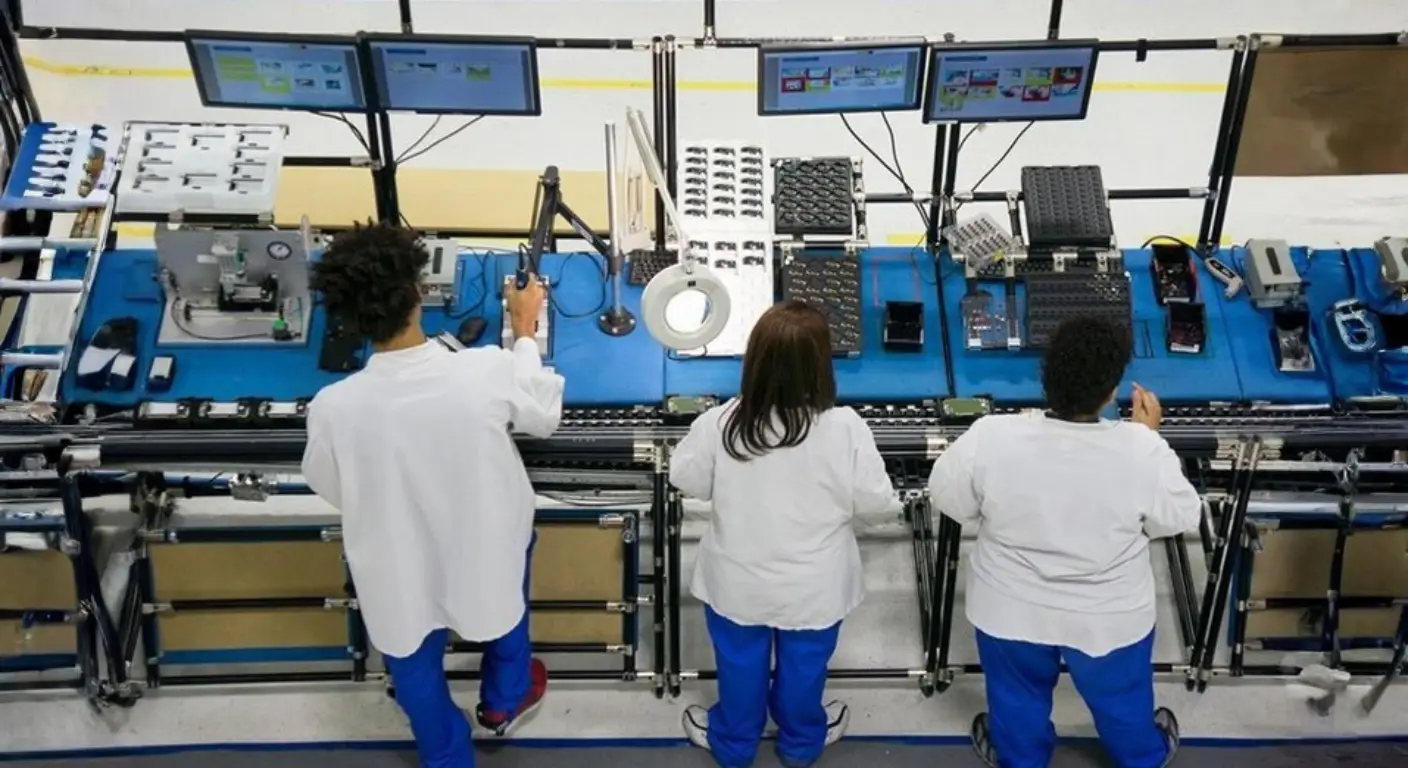
Medical device manufacturers across Australia are turning to modular pipe and joint systems to build lean, flexible production environments. From U-shaped and L-shaped work cells to one-piece flow assembly lines, the system adapts to virtually any layout. Manufacturers also rely on it to build custom trolleys for WIP, kitting and sub-assembly, along with flow racks and 2-bin systems that integrate directly into workstations.
Quick answer: A pipe and joint system (also called a tube and joint system) is a modular framing solution that lets medical manufacturers design, build and reconfigure workstations, trolleys and racks in-house — without welding or specialised trades — making it ideal for TGA-regulated environments where processes change frequently.
Pipe and joint workstation with monitor holder for standardised work instructions
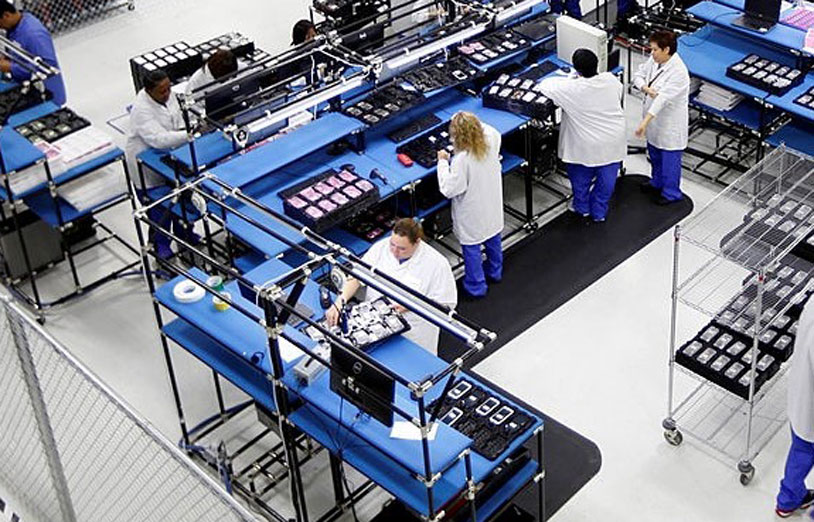
U-shaped work cell made of ESD pipes and joints.
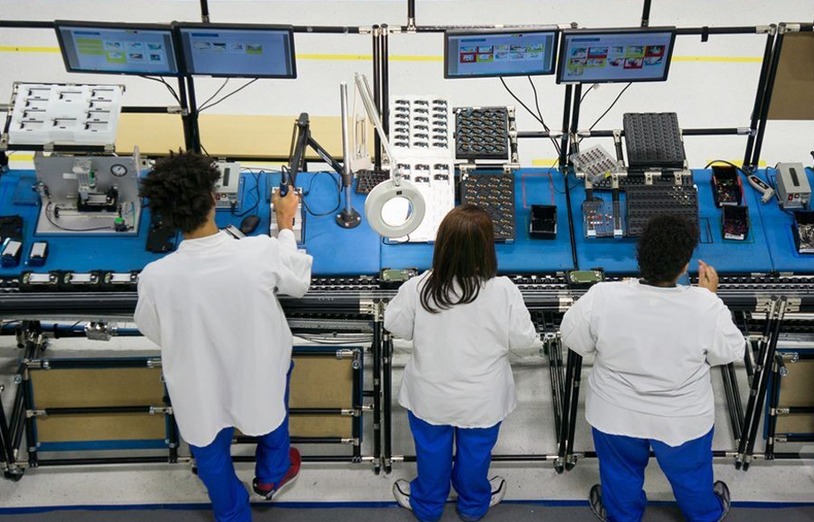
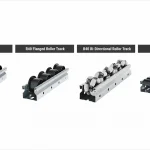
One-piece flow assembly line using roller tracks in place of a standard timber or plastic work surface
Whether launching a new assembly line, introducing lean manufacturing concepts, relocating to a new facility, or improving existing processes, medical manufacturers can collaborate with the Flexpipe design team on structure design. Alternatively, they can purchase components (pipes, joints, castors and accessories) and handle assembly in-house using step-by-step drawings — or opt for a complete turnkey delivery. Either way, we recommend keeping a small stock of spare parts on hand to repair and, more importantly, continuously improve existing structures.
Setting Up New and Temporary Assembly Lines
Agility is critical for medical manufacturing engineers in Australia. Product improvements and new product launches demand rapid changes to production layouts — and a custom modular system makes this straightforward.
Temporary assembly lines can be assembled quickly by the Flexpipe team or by any handy staff member. When no longer needed, lines are simply dismantled, with pipes, joints and accessories stored in totes for future builds. The system can even be used to modify existing workbenches, including those made of steel or timber.
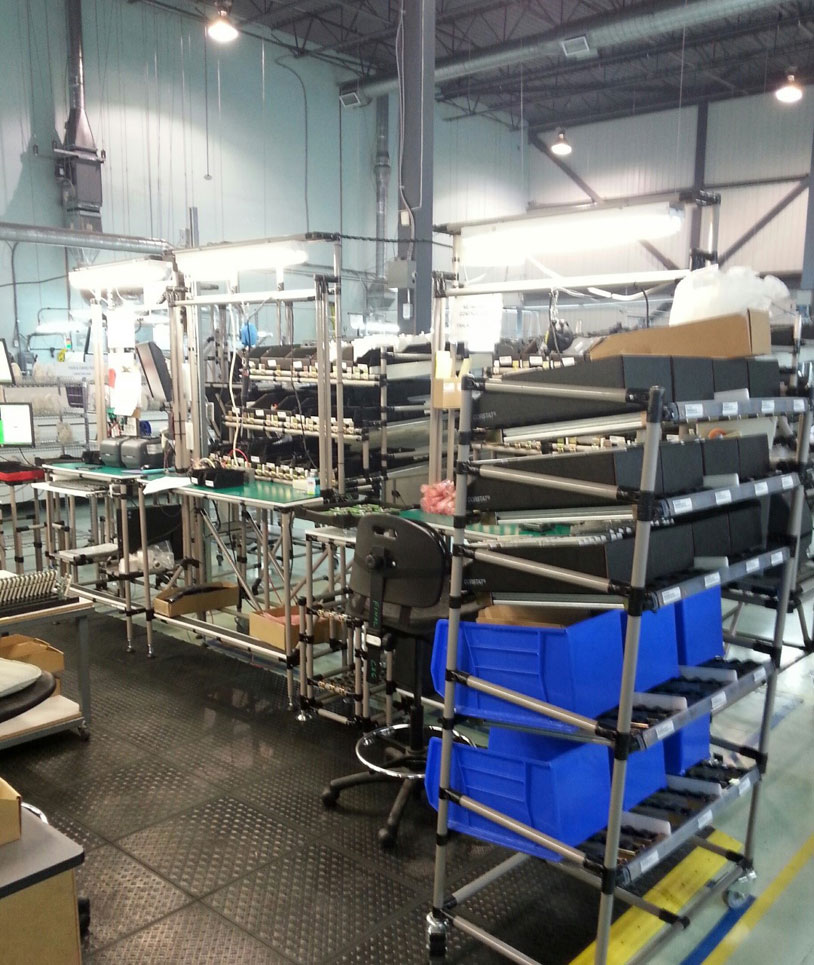
Lean assembly line with kitting trolleys
![L-shaped assembly line] L-shaped assembly line](https://www.flexpipeinc.com/wp-content/uploads/2020/04/medical_extra.jpg)
L-shaped assembly line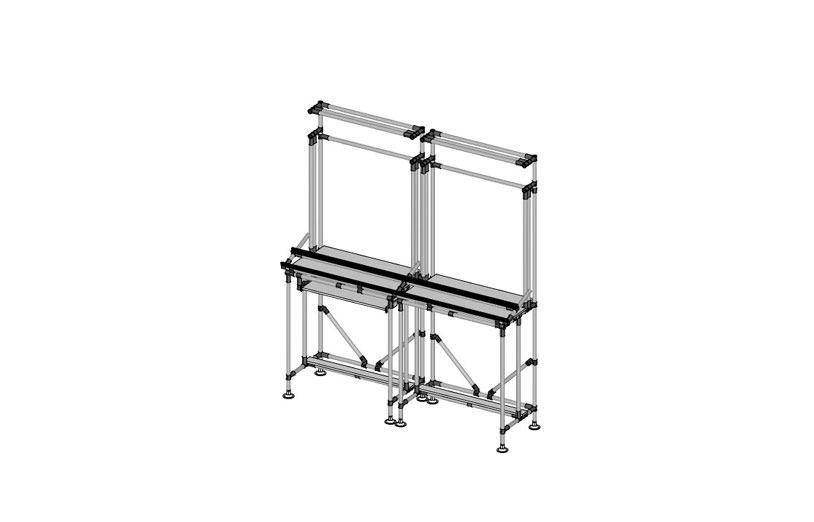
L-shaped modular assembly line in medical device production
Reduce Excess Traffic in Production Zones with Flow Racks
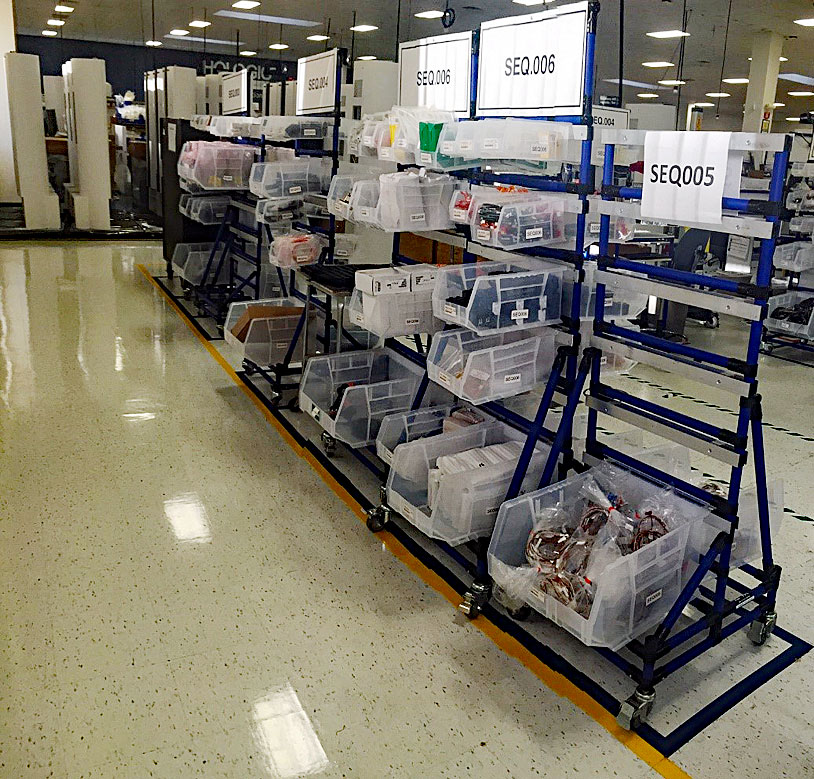
Flow racks are widely used across the medical manufacturing industry. On the rear (supply) side, the team member responsible for replenishing materials at the point of use — often called a “water spider” (from the Japanese mizusumashi) — loads containers of new parts onto inclined tracks. Empty containers are collected from return lanes, typically positioned on the top or bottom levels for ergonomic handling.
On the production (front) side, operators always pick the oldest components first, then send empty containers back along the return lanes. Each structure is designed to bring parts as close as possible to the work zone, ensuring operators work ergonomically and reducing unnecessary movement across the floor.
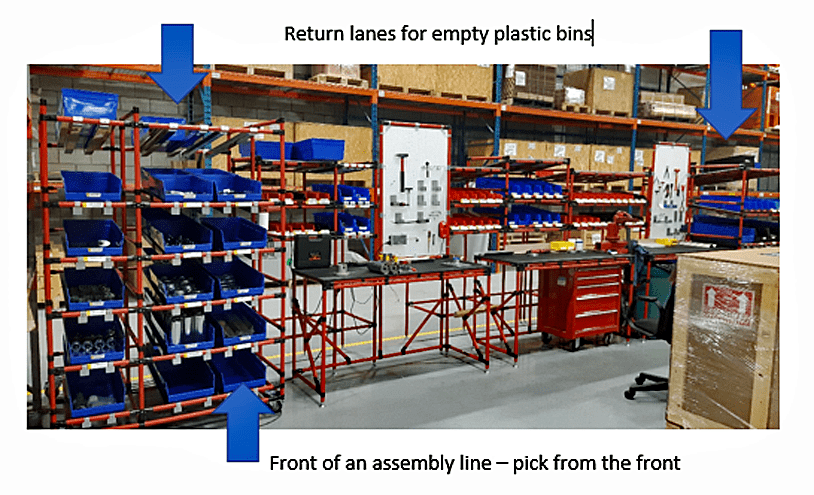
Front of an assembly line
Implementing a 2-Bin Kanban System on the Assembly Line
The 2-bin Kanban system (sometimes called the min-max system) is a lean supply chain method designed to reduce inventory and streamline replenishment. It works with two bins per part: the first bin supplies current demand, while the second covers demand during the replenishment cycle. When the first bin empties, it triggers a reorder — no complex tracking required.
Modular pipe and joint structures make it easy to integrate 2-bin systems directly into workstations, keeping parts within arm’s reach.
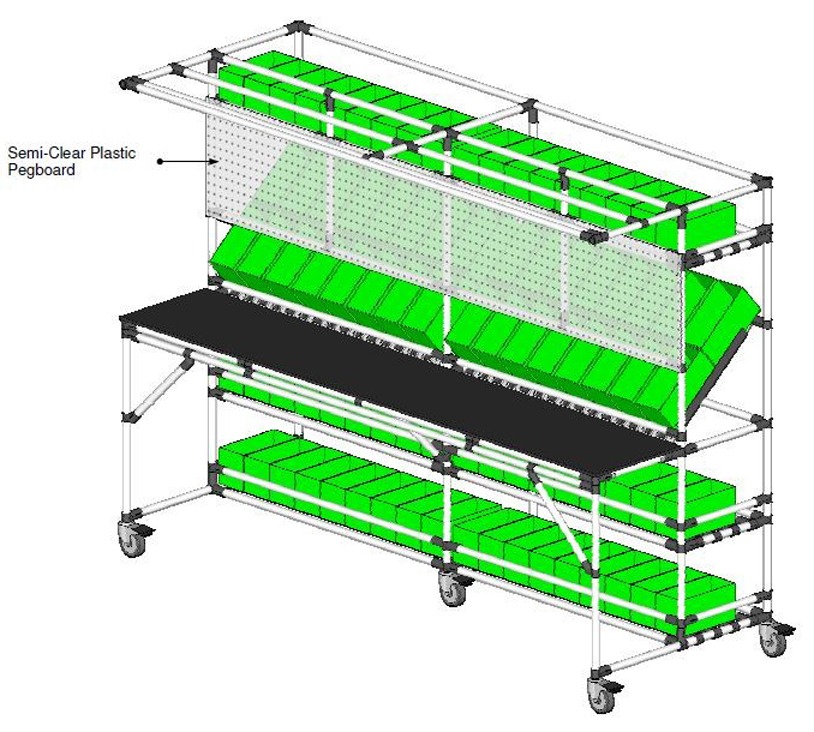
Semi-clear plastic pegboard for hanging tools or labels
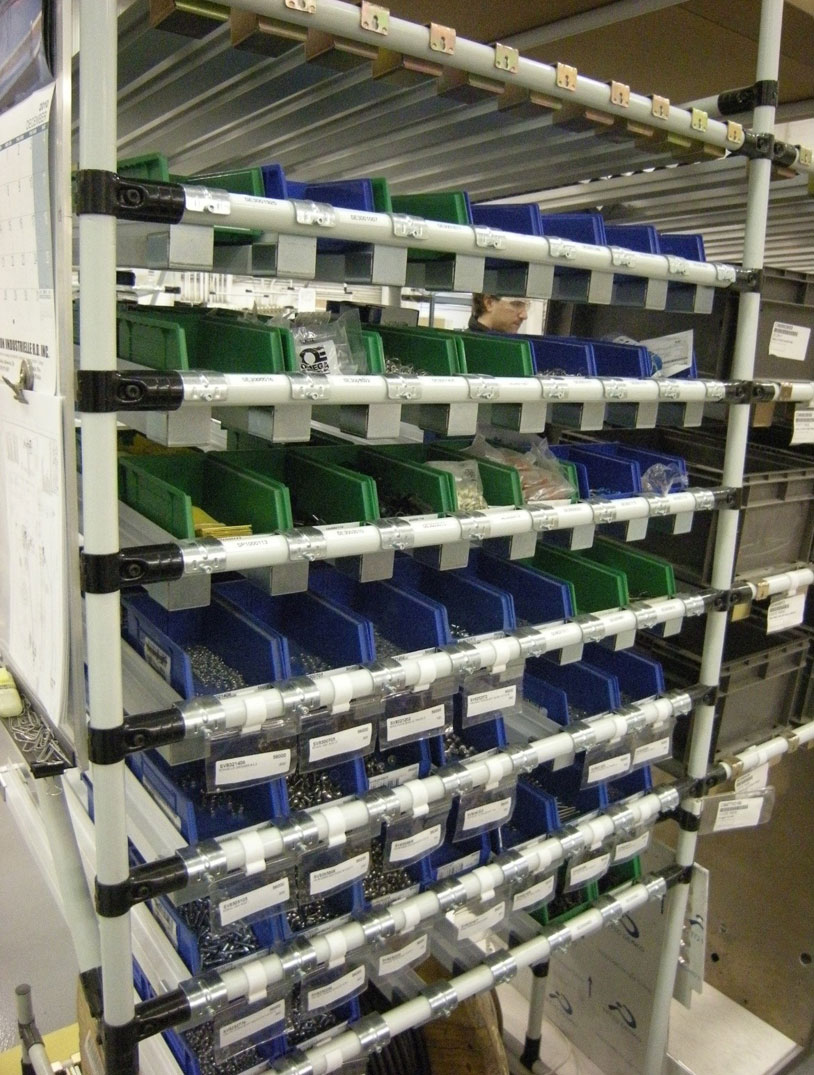
Clearly labelled bins identify part locations and eliminate time wasted searching
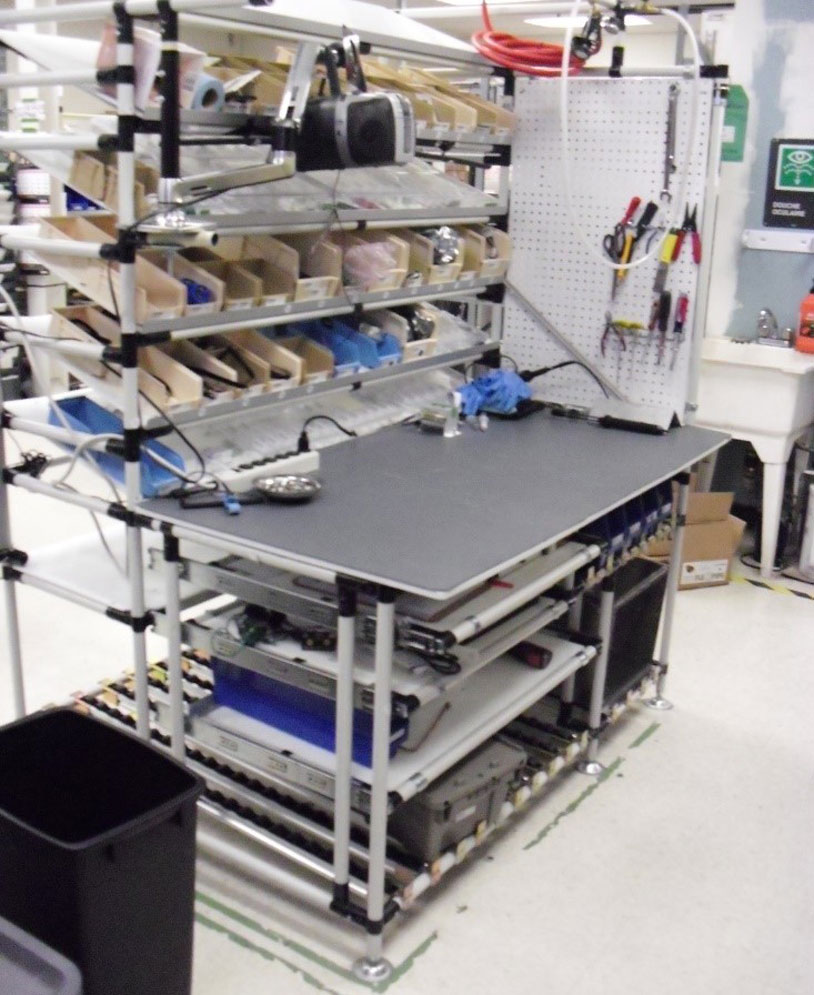
Assembly station with integrated bin system
Implementing the 5S Methodology
Rooted in Japanese manufacturing practice, 5S stands for sort, set in order, shine, standardise and sustain. It’s far from new — but if it’s not yet part of your operations, it’s well worth adopting.
At ZOLL Medical Corp., project manager Krush Patwari — a 15-year lean practitioner — highlights the cultural side of lean as its greatest strength: teams feel empowered to make changes, and people are happier working in an organised space rather than surrounded by clutter.
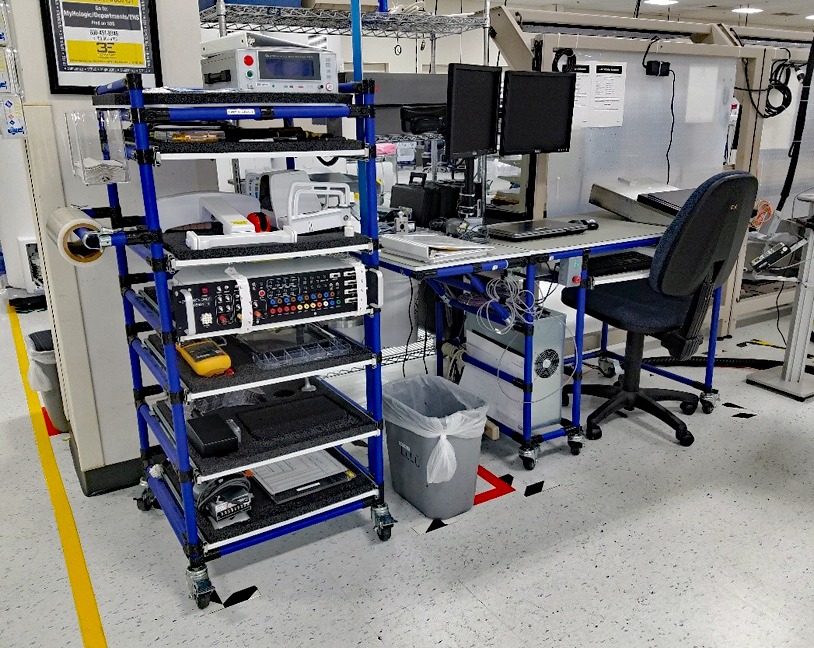
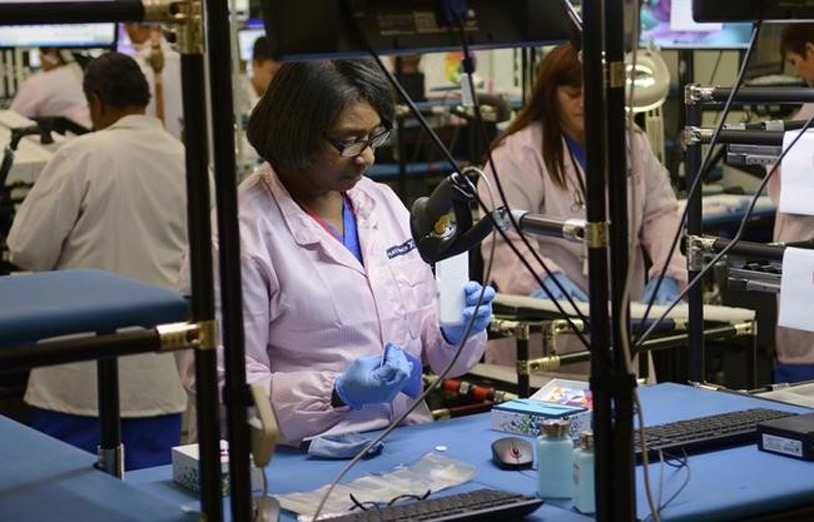
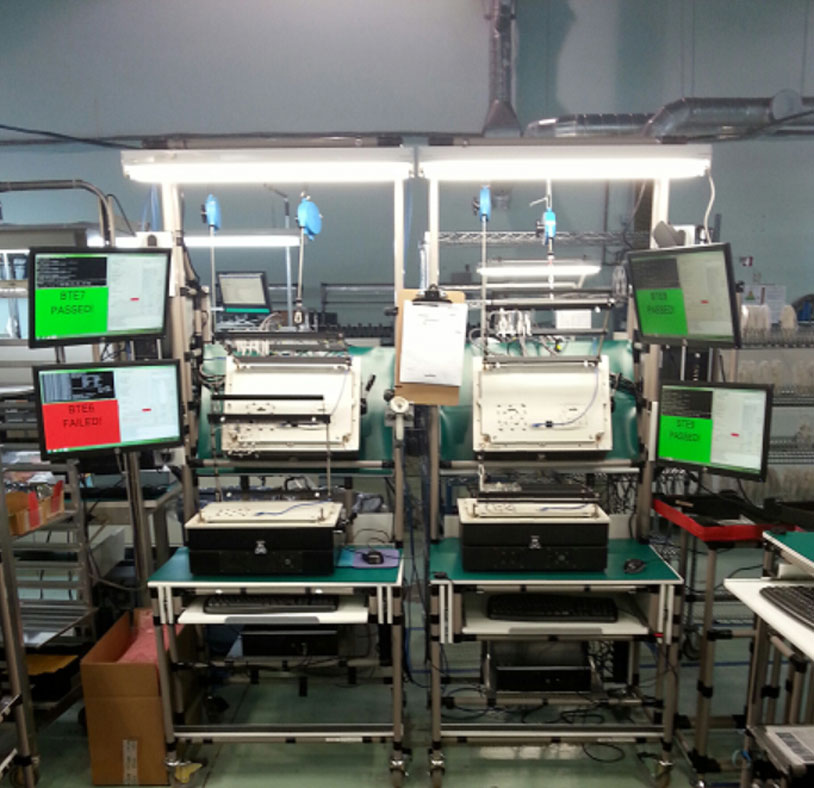
Testing station with 5S racking to reduce wasted time searching for items
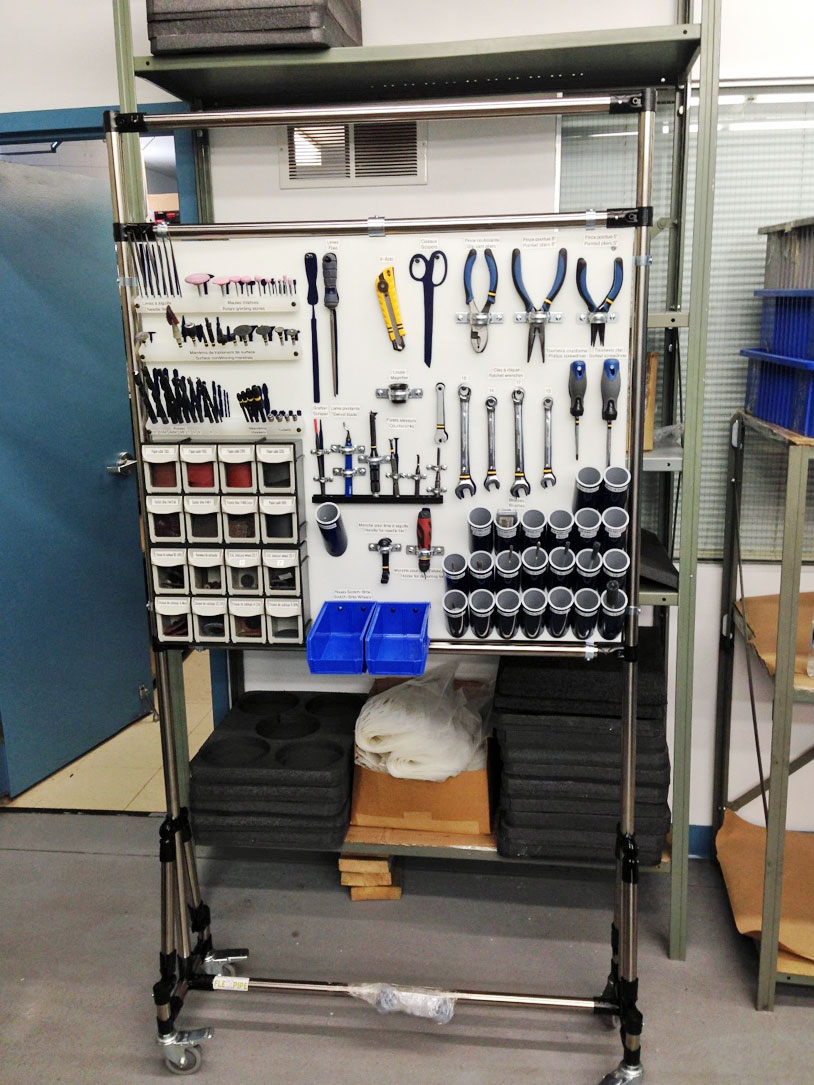
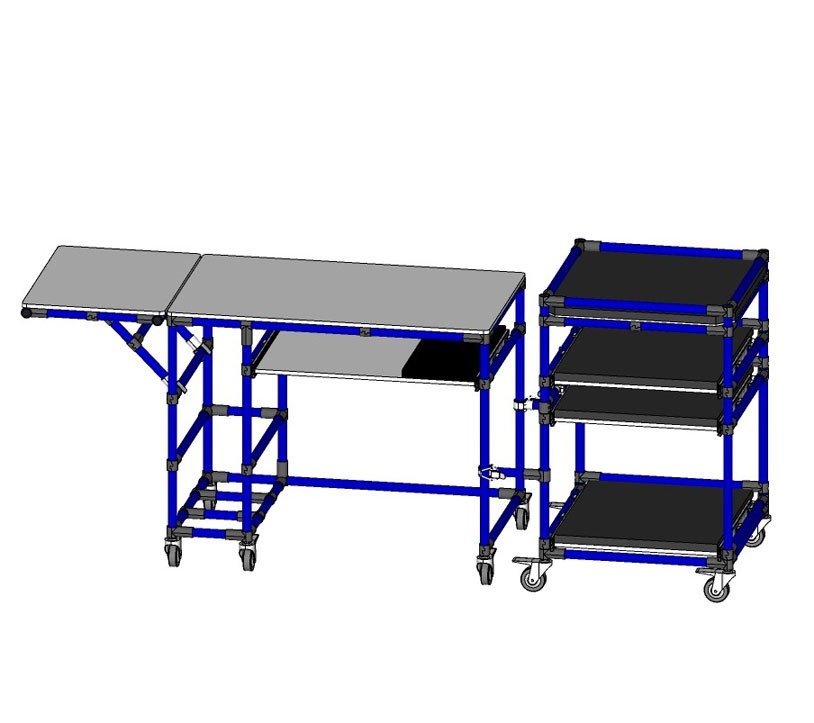
A portable 5S shadow board built for a specific production run
Why Medical Equipment Manufacturers Are Adopting Lean
Some medical device manufacturers have historically delayed adopting lean, citing highly regulated environments as a barrier. In practice, lean principles work well alongside regulatory compliance — including in TGA-regulated Australian facilities — and the industry is increasingly embracing them.
Top 3 reasons medical manufacturers embrace lean manufacturing
1. Faster delivery times Shortening internal production lead times delivers two key benefits: greater agility in responding to customer demand fluctuations (especially in peak periods), and less capital tied up in excess inventory — freeing funds for development or acquisitions.
2. Saving floor space Many medical assembly facilities are located in areas without an industrial focus, where the cost per square metre runs well above other manufacturing sectors. Because most medical device companies aren’t vertically integrated, lean supply chain methods help shorten lead times and reduce on-floor inventory — making every square metre count.
3. Faster product development to manufacturing Lean isn’t just a manufacturing methodology. Toyota’s lean product development process was central to its market advantage, and the same thinking helps medical device companies bring better products to market faster than their competitors.
FAQ
What is a pipe and joint system?
A pipe and joint system is a modular framing solution made of coated steel pipes connected with metal joints. It allows manufacturers to design and build custom workstations, trolleys, flow racks and shadow boards in-house without welding and reconfigure them as production needs change.
Why do medical device manufacturers use modular pipe and joint systems?
Medical manufacturers use modular systems for agility: assembly lines can be built, modified or dismantled quickly to support new product launches, facility relocations and continuous improvement — all while maintaining ergonomic, organised workspaces suitable for regulated environments.
Can pipe and joint structures be used in ESD-sensitive medical assembly?
Yes. ESD (electrostatic discharge) pipes and joints are available for work cells where sensitive electronic components are handled, helping protect medical devices during assembly and testing.
What is a 2-bin Kanban system?
A 2-bin Kanban system uses two bins per part: one supplies current production while the other covers demand during replenishment. When the first bin runs empty, it signals a reorder — reducing inventory and preventing stock-outs without complex tracking.
Does Flexpipe deliver to Australia?
Yes. Flexpipe supplies pipes, joints, castors, roller tracks and accessories to Australian manufacturers, with options ranging from parts-only orders with step-by-step drawings through to fully designed turnkey projects.
Recent Articles