Benefits of Flow Racks: Why Flexpipe Flow Racks Are a Game-Changer for Your Business
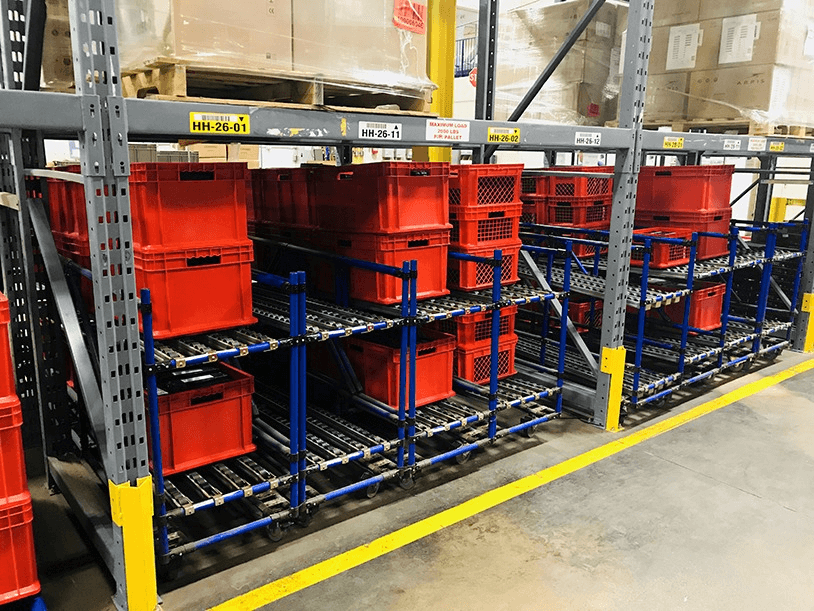
Efficient storage systems are at the heart of successful operations in warehouses, manufacturing facilities, and distribution centers. Among the most effective storage solutions available today are flow racks. These dynamic, gravity-fed systems not only streamline material handling but also optimize space and reduce operational costs.
If you’re considering adopting flow racks for your facility, Flexpipe Flow Racks stand out as one of the most reliable, flexible, and cost-effective options in the market. Let’s explore why.
Introduction to Flow Racks
Flow racks, also known as gravity flow racks or carton flow racks, are storage systems designed to move items forward automatically using gravity. They are especially useful for high-volume picking operations where speed and efficiency are essential.
Unlike static shelving, where workers must search and reach for products, flow racks allow items to slide forward, keeping the next product always within easy reach.
How Flow Racks Work
The Principle of Gravity-Fed Storage
Flow racks rely on inclined roller tracks that allow cartons, bins, or totes to glide smoothly from the loading side to the picking side. This ensures that the oldest product is always picked first, supporting FIFO (First-In, First-Out) inventory management.
Key Components of Flow Racks
- Inclined roller tracks for product movement
- Loading and picking sides for efficiency
- Modular frames that can be customized for different industries
Top Benefits of Flow Racks
Increased Storage Efficiency
Flow racks maximize cubic space by condensing storage. This allows facilities to store more products without requiring larger footprints.
Improved Product Accessibility
Workers spend less time searching for items. Products automatically slide forward, reducing downtime and boosting picking speed.
Reduced Labor Costs
By minimizing travel time and movement, flow racks reduce labor-intensive tasks, allowing staff to handle more orders efficiently.
Space Optimization
Flow racks condense storage vertically and horizontally, freeing up valuable floor space for other operations.
Enhanced FIFO Inventory Management
By design, flow racks enforce FIFO practices. This prevents product obsolescence and ensures quality control.
Versatility Across Industries
From automotive to retail, flow racks adapt seamlessly to different industries, making them a versatile solution.
Comparing Flow Racks to Traditional Shelving
Static Shelving vs. Dynamic Flow Racks
While static shelving requires manual handling and frequent restocking, flow racks automate the replenishment process, reducing inefficiency.
ROI of Investing in Flow Racks
Though the upfront investment is higher than traditional shelving, businesses quickly recover costs through improved productivity, fewer errors, and reduced waste.
Why Choose Flexpipe Flow Racks
When it comes to selecting a supplier, Flexpipe’s Flow Racks bring unmatched benefits.
Customizable and Modular Design
Flexpipe designs modular racks that adapt to your facility’s unique needs, making it easy to expand or reconfigure over time.
Durable and Long-Lasting Materials
Built with robust steel and high-quality rollers, Flexpipe flow racks are engineered to handle demanding environments.
Easy Integration with Lean Manufacturing
Flexpipe racks are designed with Lean and Kaizen principles in mind, enabling facilities to reduce waste and maximize efficiency.
Customer Support and Training
Flexpipe doesn’t just sell racks; they provide ongoing support, training, and consultation to ensure businesses maximize their investment.
Real-World Applications of Flexpipe Flow Racks
Warehousing and Logistics
High-turnover inventory thrives in flow racks, ensuring quick order fulfillment.
Automotive and Manufacturing
Flexpipe flow racks keep assembly lines stocked efficiently with parts and components.
Retail and Distribution
From e-commerce warehouses to grocery distribution centers, flow racks improve speed and accuracy.
How to Implement Flexpipe Flow Racks in Your Facility
Assessing Your Storage Needs
Evaluate your current storage system and identify inefficiencies.
Designing Your Rack Layout
Flexpipe experts help design tailored layouts for optimal efficiency.
Installation and Training
With professional support, your team quickly adapts to using flow racks effectively.
Conclusion
The benefits of flow racks are clear, efficiency, accessibility, space optimization, and cost savings. When paired with the customizable, durable, and Lean-focused solutions from Flexpipe, businesses gain a competitive edge in operations.
If you’re ready to optimize your workflow and enhance productivity, it’s time to invest in Flexpipe’s Flow Racks, the smarter choice for modern facilities.
FAQs
- 1. What makes Flexpipe’s Flow Rack unique?
Flexpipe racks are modular, durable, and highly customizable compared to traditional systems. - 2. Can you reconfigure the Flexpipe flow rack later?
Yes! Flexpipe racks are designed to be fully adjustable and reconfigurable without welding. - 3. How long does it take to install a Flexpipe system?
Most setups can be assembled in just a few hours. - 4. Are Flexpipe flow racks suitable for heavy-duty use?
Absolutely. Flexpipe systems are built with industrial-grade materials. - 5. Can you integrate Flexpipe racks with automation systems?
Yes, Flexpipe racks can be adapted to automated workflows. - 6. Is Flexpipe cost-effective compared to traditional racking?
Yes, Flexpipe’s modularity reduces long-term costs, making it more cost-efficient than static racking.
Recent Articles