Powerful Benefits of the Modular System for Modern Industries
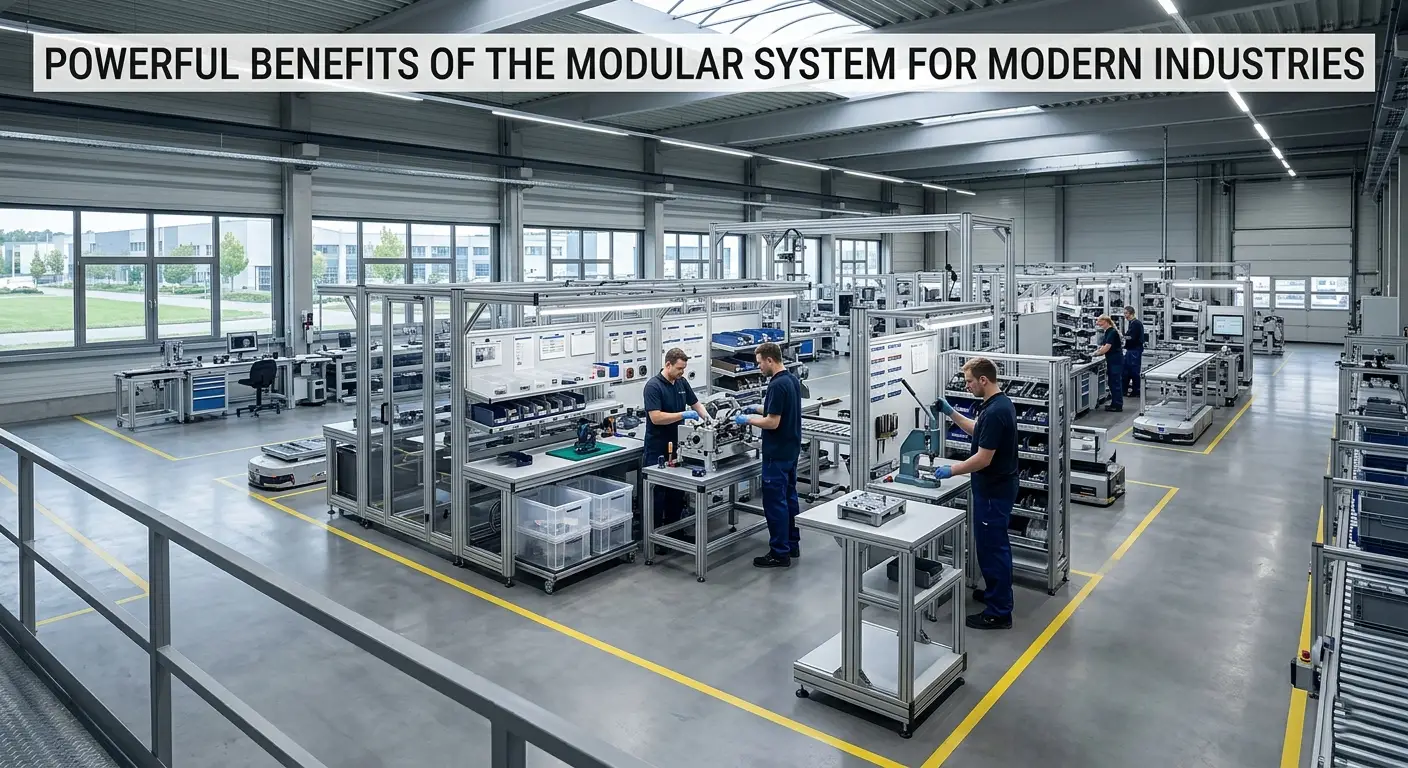
When businesses aim to improve efficiency, lower costs, and adapt quickly to new challenges, they often turn to modular systems. The Benefits of the Modular System extend across manufacturing, warehousing, logistics, healthcare, and even retail. This flexible setup allows teams to build workstations, carts, racks, flow racks, and other structures without needing specialized tools or contractors.
Because these systems are adjustable and reusable, they offer a smarter, leaner, and more sustainable way to design and manage industrial spaces.
Why Modular Systems Are Transforming Modern Workflows
Industries today demand speed, customization, and continuous improvement. Modular systems check all these boxes by letting teams:
- Rearrange layouts instantly
- Create custom structures
- Reduce downtime
- Improve safety
- Increase productivity
Whether you’re building a workstation or a mobile cart, modular design ensures you can adapt quickly without waiting for permanent installations.
Understanding the Core Structure of Modular Systems
A modular system is built from simple components: metal pipes, joints, connectors, wheels, mounts, and accessories. These parts work together to create strong and adaptable structures.
The Role of Pipes, Joints, and Accessories
High-quality pipes and joints form the backbone of the system. Accessories like roller tracks, tool holders, and shelves enhance usability. Together, these elements bring unmatched flexibility to your workspace.
How Modular Systems Support Lean Manufacturing
Modular systems align perfectly with lean principles:
- Kaizen (continuous improvement)
- 5S organization
- Waste reduction
- Efficiency optimization
Because each component can be modified or reused, teams can instantly apply new lean strategies without starting from scratch.
Key Benefits of the Modular System
The Benefits of the Modular System go far beyond simple flexibility. They provide real business advantages that help operations scale smarter, work safer, and save money. Below are the most powerful benefits you can expect.
Benefit #1 – Flexibility & Scalability
A modular system lets you build nearly anything: shelves, racks, carts, flow systems, workbenches, your imagination is the limit. When your workflow changes, simply adjust the design. No demolition, no waste, and no specialized labor.
Benefit #2 – Cost-Effective Implementation
Traditional welding and steel fabrication are expensive and permanent. With a modular system, you eliminate:
- Welding costs
- Installation downtime
- Long-term rework expenses
You reuse the same pipes and joints again and again, significantly cutting long-term costs.
Benefit #3 – Minimal Downtime During Changes
Production changes? Product updates? Layout redesigns?
A modular system allows quick instructions, fast rebuilds, and zero waiting time for contractors. Teams can modify structures in minutes, keeping operations running smoothly.
Benefit #4 – Customization for Every Workflow
Every facility is unique, so your structures should be too. Modular design lets you tailor equipment to workers’ needs:
- Adjustable ergonomic heights
- Custom shelving
- Multi-level flow racks
- Specialized storage
This customization boosts productivity and reduces strain on workers.
Benefit #5 – Long-Term Durability & Reliability
High-quality pipes and joints are built to withstand heavy industrial use. A well-designed modular system can last for years, even decades, with simple upkeep.
Benefit #6 – Environmentally Friendly
Reusability means less waste. Instead of scrapping old units, you simply redesign the structure. This helps companies achieve sustainability goals while reducing costs.
Why Flexpipe’s Modular System Leads the Industry
Now that we understand the Benefits of the Modular System, it’s easy to see why many companies choose Flexpipe’s Modular System for their operations.
Flexpipe’s High-Quality Components
Flexpipe is known for its durable pipes, sturdy metal joints, and premium accessories. The components are engineered for strength, simplicity, and versatility, making them ideal for demanding industrial environments.
Flexpipe’s Design Support & Engineering Excellence
Flexpipe offers design services, 3D modeling assistance, and engineering guidance. The team helps customers build:
- Custom flow racks
- Lean workstations
- Storage solutions
- Material-handling carts
This level of expertise is rare, most modular companies don’t provide hands-on design support.
Real-World Flexpipe Use Cases
Industries that thrive with Flexpipe include:
- Manufacturing
- Aerospace
- Logistics
- Warehouse automation
- Automotive operations
Companies often report faster production times, higher safety, and more efficient workflows after implementing Flexpipe’s Modular System.
How to Implement a Modular System in Your Facility
Planning for Efficiency
Start by analyzing your workflow, measuring space, and identifying bottlenecks.
Building & Testing Your First Structure
Begin with a pilot project. Flexpipe offers detailed assembly guides to help you build a prototype.
Continuous Improvements Using Modular Tools
Once the system proves effective, scale it to other areas of the facility. Modular designs make Kaizen easier than ever.
Conclusion
The Benefits of a Modular System make it one of the smartest investments a modern facility can make. From flexibility to cost savings, modular design empowers teams to adapt quickly and work more efficiently. Flexpipe’s Modular System takes this to the next level with unmatched quality, expert support, and proven real-world success across multiple industries.
If you’re looking to transform your workspace, boost productivity, and future-proof your operations, Flexpipe’s Modular System is the perfect place to start.
FAQs
- What are the main Benefits of a Modular System?
Flexibility, cost savings, customization, durability, and sustainability.
- Can modular systems support heavy industrial loads?
Yes. Flexpipe components are designed to handle industrial weight and daily use.
- Are modular systems easy to assemble?
Absolutely. No welding or special tools are required.
- Can modular systems improve workplace safety?
Yes. Custom ergonomic designs reduce strain and hazards.
- How long does a modular structure last?
With proper maintenance, many structures last for years or even decades.
- Are modular systems environmentally friendly?
Yes. Since components are reusable, waste is significantly reduced.
Recent Articles