Types of Bolts: Hex, Lag, Flange, Anchor & More
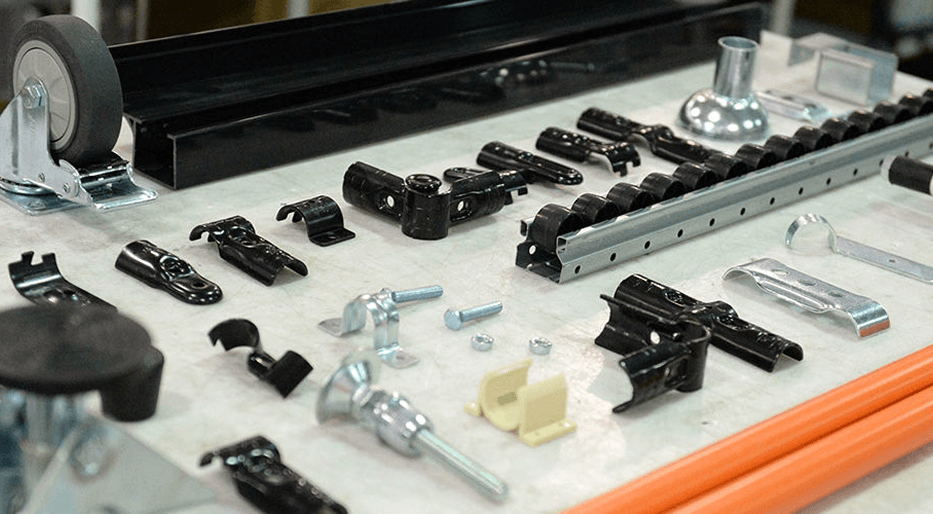
Bolts are the unsung heroes of construction, engineering, and mechanical design. Without them, machines would fall apart, and buildings would lack structural integrity. Bolts play a key role in joining two or more parts together, offering strength, durability, and easy maintenance.
What is a Bolt?

A bolt is a threaded fastener with an external male thread requiring a matching pre-formed female thread, typically in the form of a nut. While screws are often self-threading, bolts usually rely on nuts or tapped holes to hold materials together.
Difference Between Bolts, Screws, and Fasteners
-
Feature Bolt Screw Fastener Category Specific type of fastener Specific type of fastener General term Requires Nut Usually yes No (threads into material) Varies Installation Tool Wrench/spanner Screwdriver/drill Varies Thread Engagement Nut or tapped hole Into the base material Varies Use Case Heavy-duty joining Light/medium-duty joining All joining purposes
Anatomy of a Bolt
Understanding bolt design is crucial for selecting the right one.
- Head: The gripping surface for tools like wrenches.
- Shank: The unthreaded part that provides shear strength.
- Threads: The spiraled section that holds materials together.
- Material & Coating: Determines corrosion resistance and load tolerance.
Commonly Used Types of Bolts
Here’s a rundown of the most frequently used bolts in various industries:
-
Hex Bolts
The most versatile, used in construction, automotive, and machinery. Available in full or partial threads.
-
Carriage Bolts
Recognizable by their domed heads and square necks. Ideal for wood-to-metal applications.
-
Lag Bolts
Heavy-duty screws used in wood construction, such as decks or heavy timber connections.
-
U-Bolts
Shaped like a “U” to secure pipes and tubes. Common in plumbing and vehicle frames.
-
Eye Bolts
Used to attach cables, ropes, or chains. Perfect for lifting and hoisting.
Specialized Bolts for Engineering Applications
For unique challenges, you’ll need specialized solutions:
-
Anchor Bolts
Embedded into concrete to anchor structural elements.
-
Shoulder Bolts
Also called stripper bolts, used in rotating assemblies and pulleys.
-
J-Bolts
Hook-shaped bolts are often used in structural steel connections.
-
Flange Bolts
Come with built-in washers for better load distribution.
-
Elevator Bolts
Flat-headed bolts are used in elevators and conveyor systems.
Structural Bolts in Construction
In heavy construction projects, these bolts are vital:
-
ASTM A325 & A490 Bolts
High-strength bolts designed for structural steel connections.
-
Tension Control Bolts
It has a splined end that shears off when the correct torque is achieved, ideal for steel frames.
Flexpipe’s Superior Fasteners: A Game-Changer
Flexpipe’s fasteners stand out in the market.
Here’s why:
- Precision Engineering: Manufactured to exact tolerances for smooth, secure fits.
- Modular System Compatibility: Perfectly designed for use with Flexpipe’s pipe and joint systems.
- Durability: Zinc-plated and corrosion-resistant for long-lasting use.
- Ease of Installation: Designed for quick assembly and disassembly without compromising structural strength.
Flexpipe fasteners outperform generic bolts in flexibility, quality, and reliability, ideal for businesses that depend on repeatable, scalable modular builds.
Choosing the Right Type of Bolt for the Job
Consider the following:
- Load Requirements: Is tensile or shear strength more important?
- Environmental Factors: Will it be exposed to moisture or chemicals?
- Bolt Size: Length, diameter, and thread pitch must match the application.
Always check whether the bolt you choose is compatible with the materials you’re fastening. Flexpipe’s catalog makes this process easier by offering clearly labeled, system-matched fasteners.
Materials and Coatings in Bolts
The type of bolt you select depends on the material and environment.
| Material | Features |
|---|---|
| Stainless Steel | Corrosion-resistant and aesthetic |
| Galvanized | Coated with zinc for rust protection |
| Zinc-Plated | Inexpensive and good for indoor use |
| Hot-Dip Coated | Durable and weather-resistant |
Thread Types in Bolts
- Unified Thread Standard (UTS): Common in the U.S.
- Metric Threads: Standard in most of the world.
- Coarse Threads: Less likely to strip and better for softer materials.
- Fine Threads: Allow for more precise tension control.
Head Styles and Drive Types
The bolt head type can influence the tool needed and the application:
- Hex Head: Easy to tighten with a wrench.
- Flat Head: Sits flush with the surface.
- Socket Head: For applications with limited space.
- Torx & Slotted: Require specific screwdrivers and provide tamper resistance.
Bolts vs Screws vs Nails: What’s Best?
| Fastener | Strength | Reusability | Installation |
|---|---|---|---|
| Bolt | High | High | Requires tools |
| Screw | Medium | Medium | Quick |
| Nail | Low | Low | Fast |
Bolts like those from Flexpipe are best for industrial, modular, and high-strength applications.
Proper Bolt Installation Techniques
-
Tools Required
- Wrenches
- Torque wrench
- Allen keys (for socket bolts)
-
Torque Settings
Over-tightening can strip threads; under-tightening can cause loosening. Use a torque wrench to meet specifications.
-
Common Mistakes
- Mismatched nuts
- Wrong torque
- Using bolts in dynamic load without lock washers
Bolt Maintenance and Inspection
- Check for Rust: Replace corroded fasteners immediately.
- Tighten Periodically: Vibration can loosen even the best bolts.
- Replace Damaged Bolts: Especially if the threads are worn.
Conclusion
Understanding the different types of bolts is essential for any construction or industrial project. But more importantly, choosing high-quality fasteners like those from Flexpipe ensures long-term durability, superior strength, and modular compatibility. Whether you’re building warehouse racks, assembly lines, or workstations, Flexpipe’s bolt solutions offer unbeatable performance.
FAQs
- 1. What is the strongest type of bolt?
Structural bolts like ASTM A490 offer the highest tensile strength. - 2. Are Flexpipe bolts compatible with other systems?
Yes, but they’re optimized for Flexpipe modular systems. - 3. When should you use stainless steel bolts?
In corrosive environments or for aesthetics. - 4. Can bolts be reused?
Yes, especially when used with nuts and washers, unless damaged. - 5. How do you choose between coarse and fine threads?
Use coarse for quick assembly; fine for precision and strength. - 6. What’s the benefit of a flange bolt?
Built-in washer reduces stress and simplifies installation.
Recent Articles