Fastener: Meaning, Materials, Types, Applications, Advantages & More

Fasteners are all around us, holding buildings together, keeping cars safe, and even securing our mobile phones. Though often overlooked, they are the unsung heroes of modern construction, manufacturing, and design. Whether you’re building a skyscraper or assembling furniture, fasteners ensure everything stays intact.
In this post, we’ll explore what fasteners are, their types, uses, and most importantly, why professionals across industries trust Flexpipe’s Fasteners.
Definition
At its core, a fastener is a hardware device that mechanically joins or affixes two or more objects together. Unlike adhesives or welding, fasteners provide a non-permanent or semi-permanent method of joining, meaning components can be dismantled without damaging them.
Common Materials Used in Fasteners
Fasteners can be made from:
- Steel (plain carbon, stainless, alloy)
- Brass
- Aluminum
- Titanium
- Plastic (in lightweight applications)
Each material offers a unique balance of strength, corrosion resistance, and cost.
How Fasteners Work
Fasteners work by creating friction between threads, compression between parts, or mechanical locking systems. Their design ensures stability under stress and vibration, ideal for long-lasting connections.
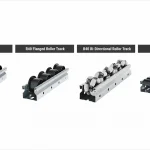
Types of Fasteners
Fasteners come in various shapes, sizes, and configurations based on their applications.
Applications of Fasteners in Industries
-
Construction
Fasteners like bolts, screws, and anchors are essential in structural frameworks, roofing, and interiors.
-
Automotive
From engine assembly to bodywork, every vehicle part relies on precision fasteners for performance and safety.
-
Electronics and Appliances
Tiny screws and clips hold delicate electronic circuits, casings, and components securely in place.
Advantages of Using High-Quality Fasteners
- Durability: Stronger hold and longer life.
- Safety: Prevents mechanical failure.
- Corrosion Resistance: Withstands environmental exposure.
- Precision Engineering: Guarantees exact fit.
Flexpipe’s Fasteners: The Best in Class
When it comes to choosing fasteners that stand the test of time, Flexpipe sets the gold standard.
Why Choose Flexpipe Over Others?
- Premium Quality Control
- Competitive Pricing
- Quick Custom Orders and Delivery
How to Select the Right Fastener
Factors to Consider: Material, Strength, and Size
Choosing the right fastener involves:
- Load requirements
- Environmental conditions (corrosion, heat)
- Material compatibility
- Thread type and torque specifications
Always consult with experts like Flexpipe for tailored recommendations.
Conclusion
Understanding what a fastener is opens your eyes to how the modern world stays connected, literally and figuratively. From tiny electronics to giant skyscrapers, fasteners play a pivotal role in safety and function. And if you’re looking for unmatched quality and reliability of suppliers, Flexpipe’s Fasteners are the trusted partner across every industry. Invest in the best, and build with confidence.
FAQs
1. What is a fastener?
A fastener is a device used to join two or more objects together.
2. What are the types of fasteners?
Bolts, screws, nuts, washers, rivets, pins, and clips.
3. What is the most common fastener used?
The screw.
4. What is the difference between a bolt and a fastener?
A bolt is a type of fastener.
5. What is the difference between fittings and fasteners?
Fittings connect parts (like pipes), while fasteners hold parts together.
6. What is the difference between a screw and a fastener?
A screw is a type of fastener.
7. What is the difference between a fixing and a fastener?
Fixing is the act or item used to secure objects; a fastener is a type of fixing.
8. What is the difference between a stud and a fastener?
A stud is a rod-shaped fastener, often threaded on both ends.
9. What is the difference between a fastener and a weld?
A fastener is mechanical and removable; a weld is a permanent bond.
10. What is the difference between joining and fastening?
Joining is any method to connect parts; fastening is a mechanical joining method.
11. What is the difference between a bolt and a screw?
A bolt typically requires a nut for fastening, while a screw creates its own thread in the material.
12. Can you order custom-sized fasteners from Flexpipe?
Absolutely! Flexpipe offers custom solutions based on your project needs.
13. What industries does Flexpipe serve?
Construction, automotive, heavy machinery, electronics, marine, and more.
14. How can you check the quality of fasteners?
Look for product certifications, tensile strength reports, and customer reviews. Flexpipe offers all of them transparently.
Recent Articles