What is a Modular System? A Complete Guide to Modular Solutions
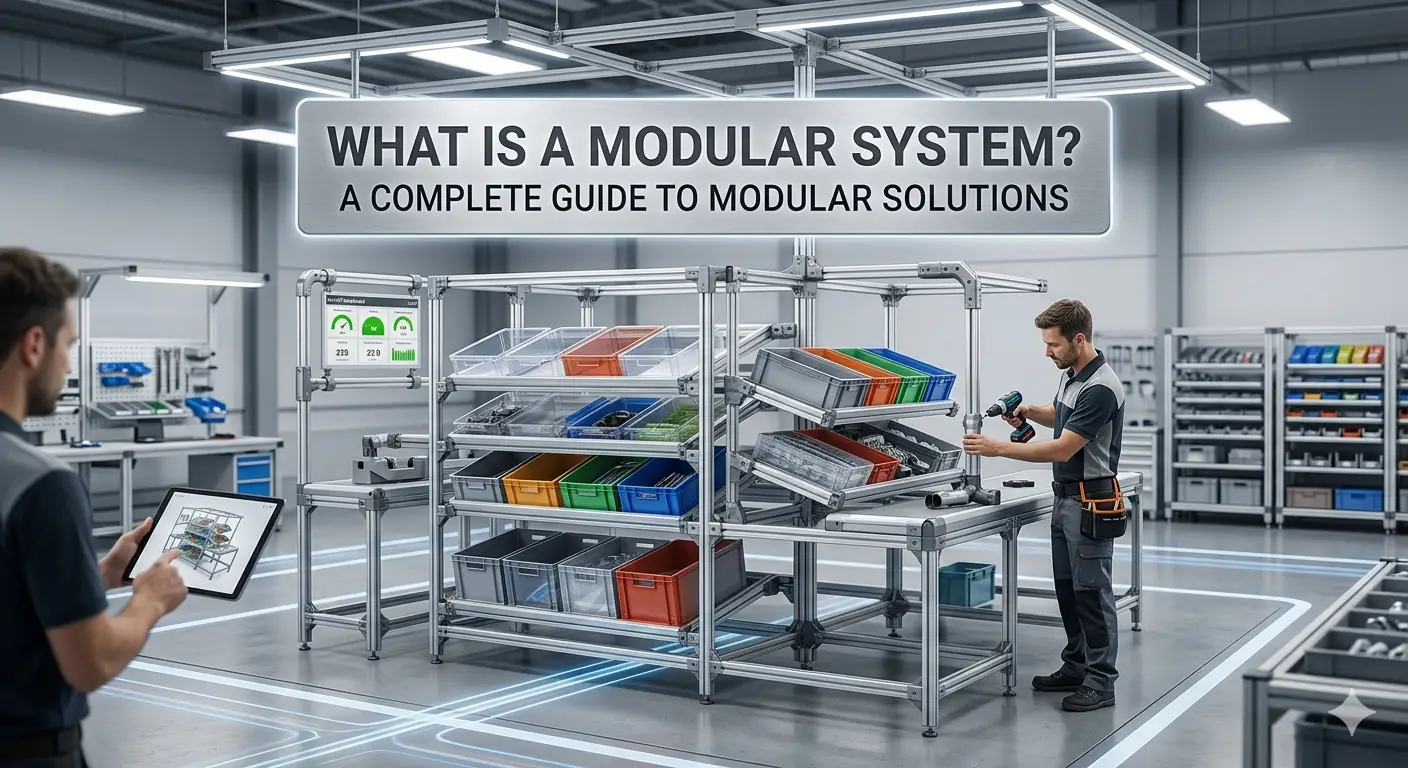
In today’s fast-changing industrial world, businesses need efficient, adaptable, and cost-effective solutions. That’s where modular systems come in. But what exactly is a modular system? In simple terms, a modular system is a flexible design approach that uses standardized components, like pipes, joints, and connectors, that can be easily assembled, modified, and reused.
Unlike traditional welded structures, modular systems allow organizations to reconfigure workstations, storage units, and production lines without wasting time or money. And when it comes to modern modular solutions, Flexpipe’s Modular System has become a trusted choice across industries worldwide.
Defining Modular Systems
A modular system is a construction method where individual parts (modules) can be combined in multiple ways to create customized solutions. Each component works seamlessly with the others, making it possible to design structures that evolve with operational needs.
Think of it as LEGO blocks for industrial applications; you can build, rebuild, and expand without limitations.
History and Evolution of Modular Design
The concept of modular design isn’t new. It started in architecture and product design, where prefabricated modules made construction faster. Over time, industries adopted modularity in manufacturing, logistics, and workspace optimization.
Today, modular systems are essential for lean manufacturing, flexible supply chains, and efficient storage solutions.
Why Modular Systems Are Becoming Essential in Modern Industries
Modern industries face rapid technological advancements, shifting customer demands, and global competition. To stay ahead, companies need systems that:
- Adapt quickly to production changes.
- Save costs by reusing materials.
- Enhance worker safety with ergonomic designs.
Flexpipe’s modular system is built precisely for these challenges, helping businesses thrive in dynamic environments.
Key Components of a Modular System
Structural Elements: Pipes, Joints, and Accessories
At its core, a modular system consists of:
- Steel pipes for structural strength.
- Metal joints for stability.
- Accessories like casters, brackets, and rollers for functionality.
Flexpipe offers a wide range of these components, allowing endless design possibilities.
Customization and Scalability
One of the greatest benefits of modular systems is their scalability. Whether you need a small cart or an entire warehouse racking solution, Flexpipe’s system adapts easily.
Flexibility in Design and Functionality
From workstations to flow racks and trolleys, modular systems let you design ergonomic and space-saving solutions without committing to a fixed layout.
Advantages of Using Modular Systems
Cost-Effectiveness and Budget Control
Unlike welded structures, modular systems can be reused and repurposed, saving money over time.
Time Efficiency and Faster Implementation
Flexpipe’s modular system allows quick assembly without specialized welding or machining skills.
Adaptability and Reusability
Need a new layout? Just disassemble and rebuild, no need to start from scratch.
Safety and Ergonomic Benefits
By integrating modular designs, companies create ergonomic workstations that reduce worker fatigue and injuries.
Industries Benefiting from Modular Systems
Manufacturing and Assembly Lines
Flexpipe helps optimize lean production systems with customizable flow racks and workstations.
Warehousing and Material Handling
Modular carts and racks improve material flow and storage efficiency.
Healthcare and Laboratories
Flexible lab setups and equipment stands ensure sterility and adaptability.
Retail and Office Spaces
From displays to workspaces, modular solutions enhance visual appeal and functionality.
An In-Depth Look at Flexpipe’s Modular System
What Makes Flexpipe Stand Out?
Flexpipe offers durable, customizable, and easy-to-assemble modular systems that empower industries to embrace flexibility.
Components of Flexpipe’s Modular System
- Pipes for strength.
- Joints for stability.
- Accessories for customization.
Real-World Applications and Success Stories
Flexpipe has helped companies across North America implement lean manufacturing, reducing waste while boosting efficiency.
How Flexpipe’s Modular System Improves Lean Manufacturing
- Enhancing Workflow Efficiency – streamlined processes.
- Supporting Continuous Improvement (Kaizen) – adaptable designs.
- Reducing Waste and Maximizing Space – modular structures save resources.
Comparing Flexpipe with Traditional Systems
Traditional Welding vs. Modular Construction
- Welding = permanent, costly, time-consuming.
- Modular = flexible, reusable, efficient.
Why Flexpipe is the Smarter Choice
Flexpipe combines strength, adaptability, and affordability, making it the preferred solution for modern industries.
Step-by-Step Guide to Building with Flexpipe
- Planning Your Modular Design – Assess workflow needs.
- Choosing the Right Components – Select pipes, joints, and accessories.
- Assembly and Implementation – Build without specialized tools.
Conclusion
In a world where adaptability and efficiency are critical, modular systems are no longer optional; they’re essential. Flexpipe’s modular system provides cost savings, safety, flexibility, and lean manufacturing support that traditional welded structures simply can’t match.
If your business is looking for a smarter way to build, organize, and optimize workflows, it’s time to embrace Flexpipe’s modular system, the future of flexible industrial design.
FAQs
- 1. What is a modular system in simple terms?
A modular system is a flexible design approach using standardized parts that can be reconfigured easily. - 2. How is Flexpipe different from other modular systems?
Flexpipe offers high-quality, customizable components specifically designed for lean manufacturing. - 3. Can Flexpipe’s system be reused for different projects?
Yes! Flexpipe’s system is 100% reusable and adaptable. - 4. Is welding required for Flexpipe’s modular system?
No welding is needed. Components are assembled with simple tools. - 5. Which industries can benefit from Flexpipe?
Manufacturing, warehousing, healthcare, retail, and many more. - 6. Does Flexpipe support lean manufacturing principles?
Absolutely, Flexpipe is designed to reduce waste, improve flow, and maximize efficiency.
Recent Articles