How to Build Modular Flow Racks: A Complete Guide
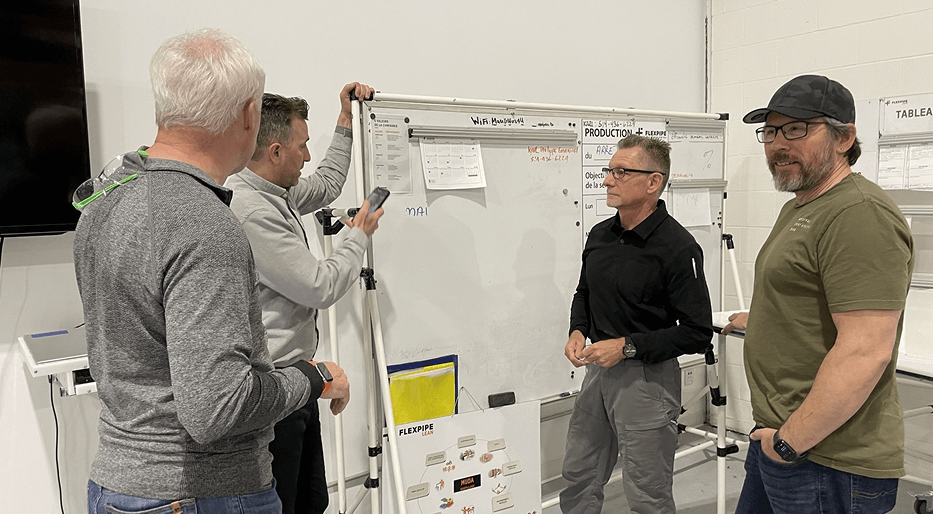
Efficiency is the heartbeat of every successful warehouse and production floor. One of the smartest ways to streamline operations is by using modular flow racks. These racks allow products to move smoothly from storage to picking areas, saving time and reducing waste. In this post, you’ll learn the best way to build modular flow racks step by step while discovering why Flexpipe Flow Rack System is the ultimate choice for businesses embracing lean manufacturing.
What Are Modular Flow Racks?
Modular flow racks are storage systems designed with angled roller tracks that let items glide effortlessly from one end to the other. The “modular” part means they can be reconfigured or expanded as your needs change. Whether you run a manufacturing facility, a distribution center, or an e-commerce hub, modular flow racks help organize materials and optimize processes.
Why Businesses Use Flow Racks in Lean Manufacturing
Flow racks are a cornerstone of lean manufacturing because they support First In, First Out (FIFO) systems, reduce handling time, and keep production lines running smoothly. They’re ideal for businesses that want flexibility and efficiency without investing in fixed, expensive shelving systems.
Benefits of Modular Flow Racks
Improved Material Handling
Products flow naturally to the picking face, minimizing bending, reaching, and wasted movement. This improves worker efficiency and reduces fatigue.
Space Optimization in Warehouses
By using vertical and horizontal space effectively, modular racks help maximize storage capacity while keeping aisles clear for movement.
Cost-Effective and Scalable
Unlike welded racks, modular systems can be expanded, reconfigured, or disassembled without specialized equipment, making them cost-effective in the long run.
Why Choose Flexpipe Flow Rack System
Unique Features of Flexpipe Racks
Flexpipe provides DIY-style modular systems that allow businesses to design racks to their exact specifications. Their components are easy to assemble, adaptable, and highly customizable.
Durability and Load Capacity
Built with industrial-grade steel pipes and roller tracks, Flexpipe racks are strong enough to handle heavy loads while maintaining smooth flow.
Compatibility with Lean Manufacturing Principles
Flexpipe racks align perfectly with Kaizen and continuous improvement practices, making them an excellent tool for lean-focused businesses.
Step-by-Step Guide to Build Modular Flow Racks
Step 1: Planning Your Flow Rack Design
Start by analyzing your workflow. Consider item size, weight, and how materials should move. Sketch out your design with rack height, levels, and roller track angles.
Step 2: Selecting Flexpipe Components
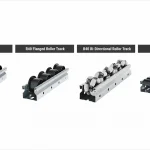
Choose from Flexpipe’s modular catalog: pipes, joints, roller tracks, and casters. Each part is engineered to fit seamlessly together.
Step 3: Assembling the Flow Rack Structure
Using Flexpipe steel pipes and connectors, build the base frame first. Ensure stability by tightening all joints before moving on.
Step 4: Adding Roller Tracks and Accessories
Install roller tracks at an angle for smooth product flow. Add stoppers, guides, and dividers to control movement.
Step 5: Testing and Adjusting for Efficiency
Load test the rack to check the flow speed and weight capacity. Make adjustments for ergonomic comfort and safety.
Essential Tools and Materials for Assembly
Flexpipe Pipes and Joints
The backbone of the system, available in multiple sizes and finishes.
Roller Tracks and Stoppers
Ensure product flow while preventing items from falling off the racks.
Basic Tools Needed
A hex key set, a rubber mallet, and a measuring tape are usually all you need to build your flow rack.
Applications of Modular Flow Racks
Manufacturing Assembly Lines
Keep parts organized and accessible to improve cycle times.
Warehousing and Distribution
Streamline storage and retrieval to speed up order fulfillment.
E-commerce and Order Fulfillment
Handle high product turnover with ease, ensuring fast delivery for customers.
Tips for Maximizing Efficiency with Flexpipe Flow Racks
Implementing FIFO (First In, First Out)
Position racks so that older stock is used first, reducing waste and keeping inventory fresh.
Ergonomic Adjustments for Workers
Design racks at waist height to reduce strain and improve worker safety.
Regular Maintenance and Inspection
Check roller tracks regularly to prevent jams and maintain smooth operation.
Conclusion
Building a modular flow rack doesn’t need to be complicated or expensive. With the Flexpipe Flow Rack System, you get flexibility, durability, and lean efficiency all in one solution. Whether you’re looking to optimize a warehouse, assembly line, or e-commerce operation, Flexpipe gives you the tools to adapt to different types of flow rack system and scale as your business grows.
FAQs
- 1. How long does it take to assemble a Flexpipe modular flow rack?
Most racks can be built in just a few hours with basic tools. - 2. Can you expand the Flexpipe rack later?
Yes, Flexpipe systems are fully modular and can be reconfigured anytime. - 3. Are Flexpipe racks strong enough for heavy-duty use?
Absolutely. Flexpipe racks are designed to handle industrial-grade loads. - 4. How do modular racks support lean manufacturing?
They minimize waste, streamline processes, and promote continuous improvement. - 5. Can Flexpipe racks be used in cold storage?
Yes, they’re made with durable materials suitable for various environments.
Recent Articles